


.svg)









Maintaining healthy gums is just as important as caring for your teeth. When plaque and tartar build up beneath the gum line, it can lead to gum disease and, if left untreated, may progress to more serious oral health problems. Periodontal debridement and root planing are common non-surgical procedures used to manage gum disease and restore gum health.
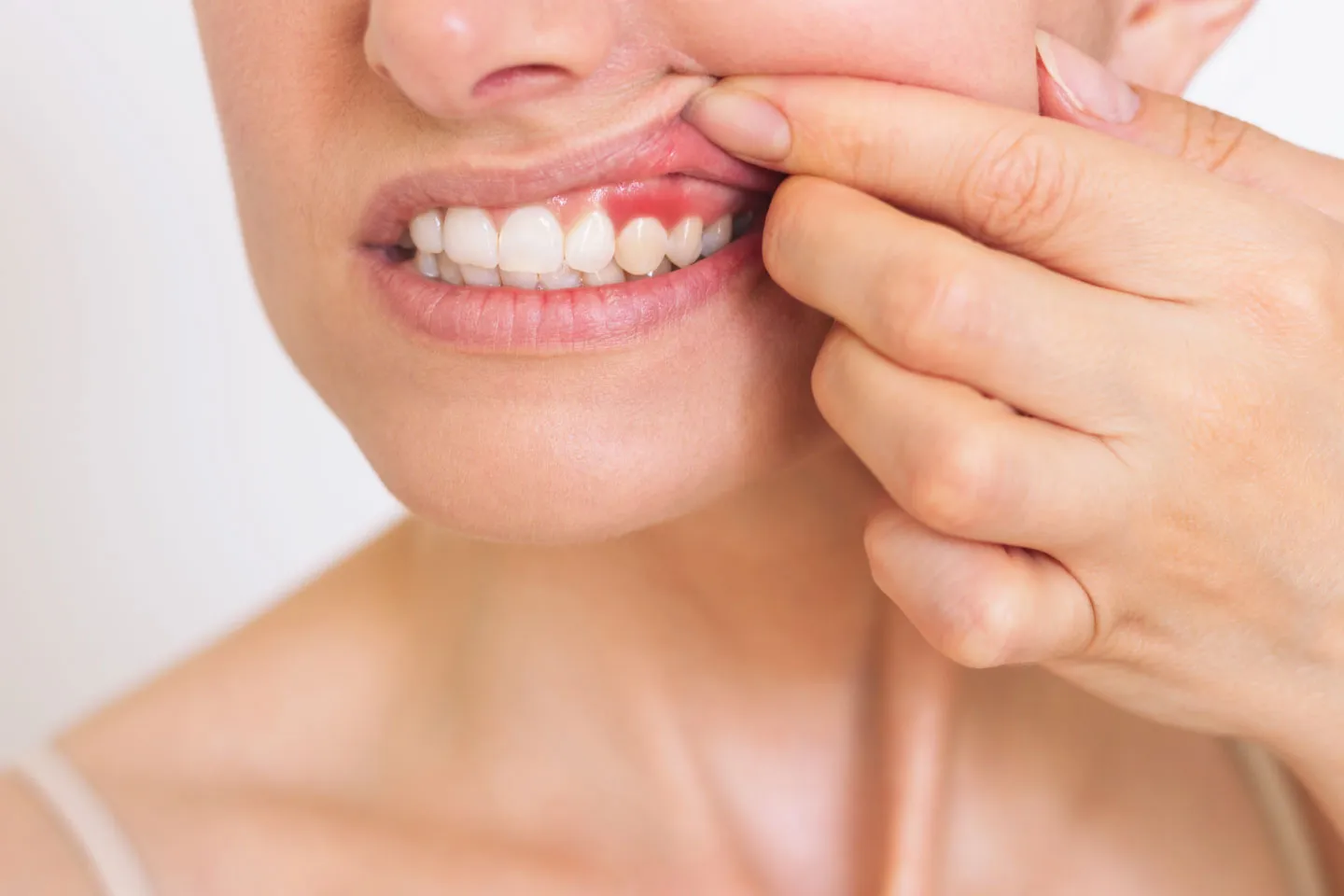
Gum disease, also known as periodontal disease, begins when bacteria in dental plaque irritate the gums. Over time, the gums may become inflamed, swollen, and prone to bleeding. If the condition advances, it can cause pockets to form around the teeth where bacteria accumulate, potentially leading to bone loss and tooth instability.
Periodontal debridement and root planing are particularly important at the early and moderate stages of gum disease, helping to halt progression and stabilise the condition.
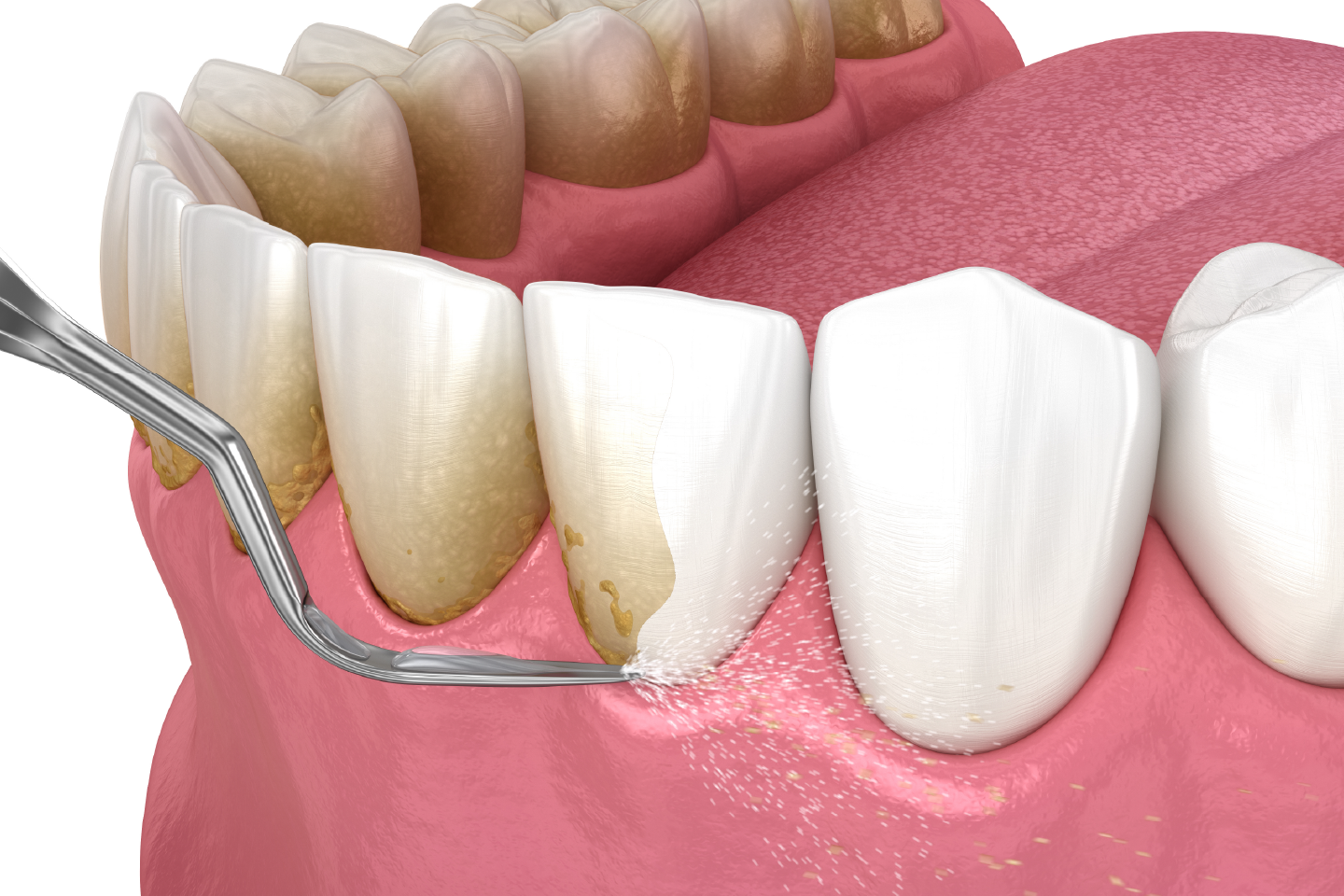
Periodontal debridement is the careful removal of plaque, tartar, and bacteria from the surfaces of the teeth and from beneath the gums. Unlike routine dental cleaning, which focuses on areas above the gum line, debridement targets deposits hidden below the gums that contribute to inflammation and infection.
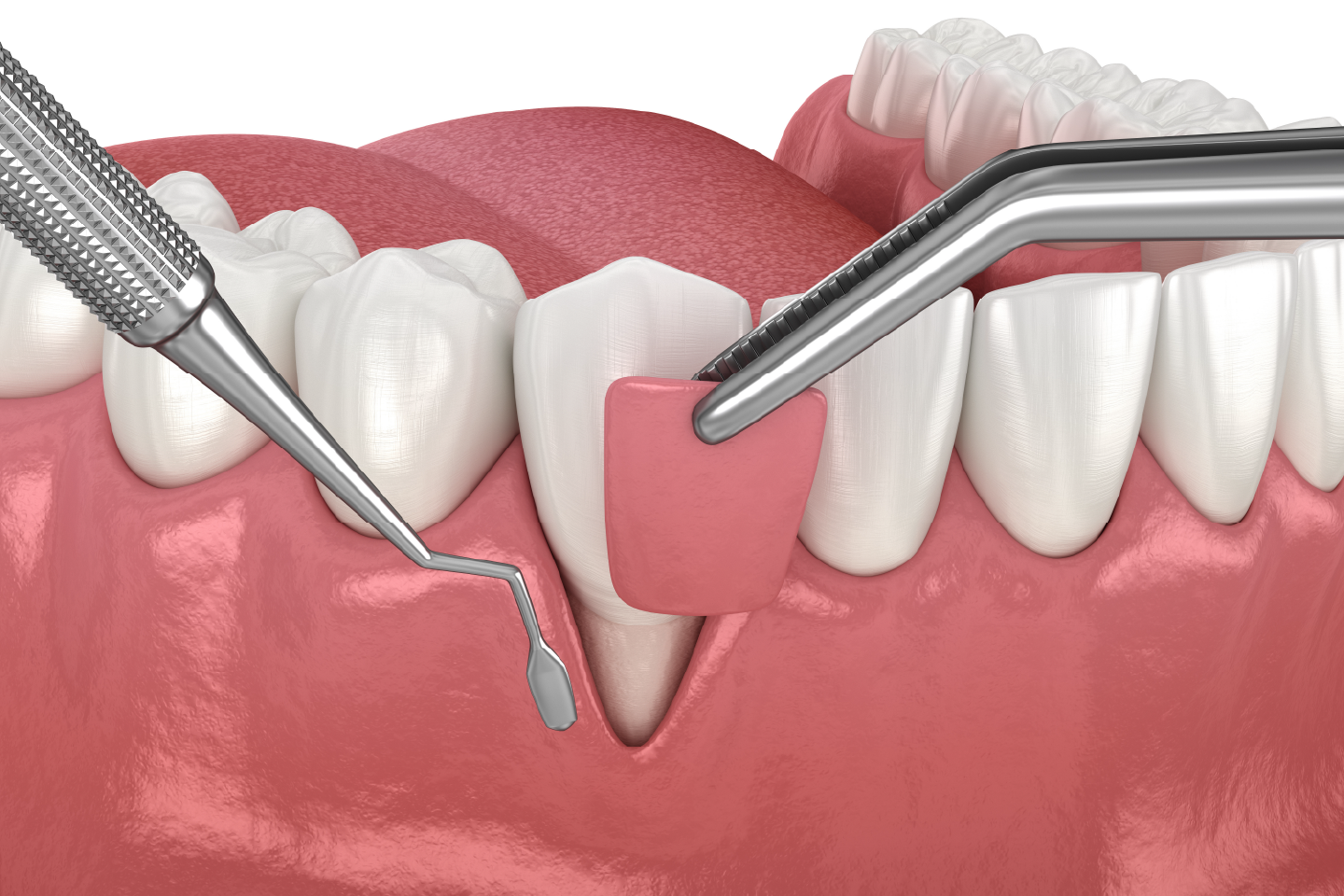
Root planing is often carried out together with debridement. It involves smoothing the root surfaces of the teeth after tartar has been removed. Bacteria are less able to reattach to smooth root surfaces, and the gums are better able to reattach to the teeth, helping to reduce pocket depth and promote healing.
Many patients feel more at ease when they know what the procedure involves. Periodontal debridement and root planing are usually carried out in stages, depending on the extent of the condition.
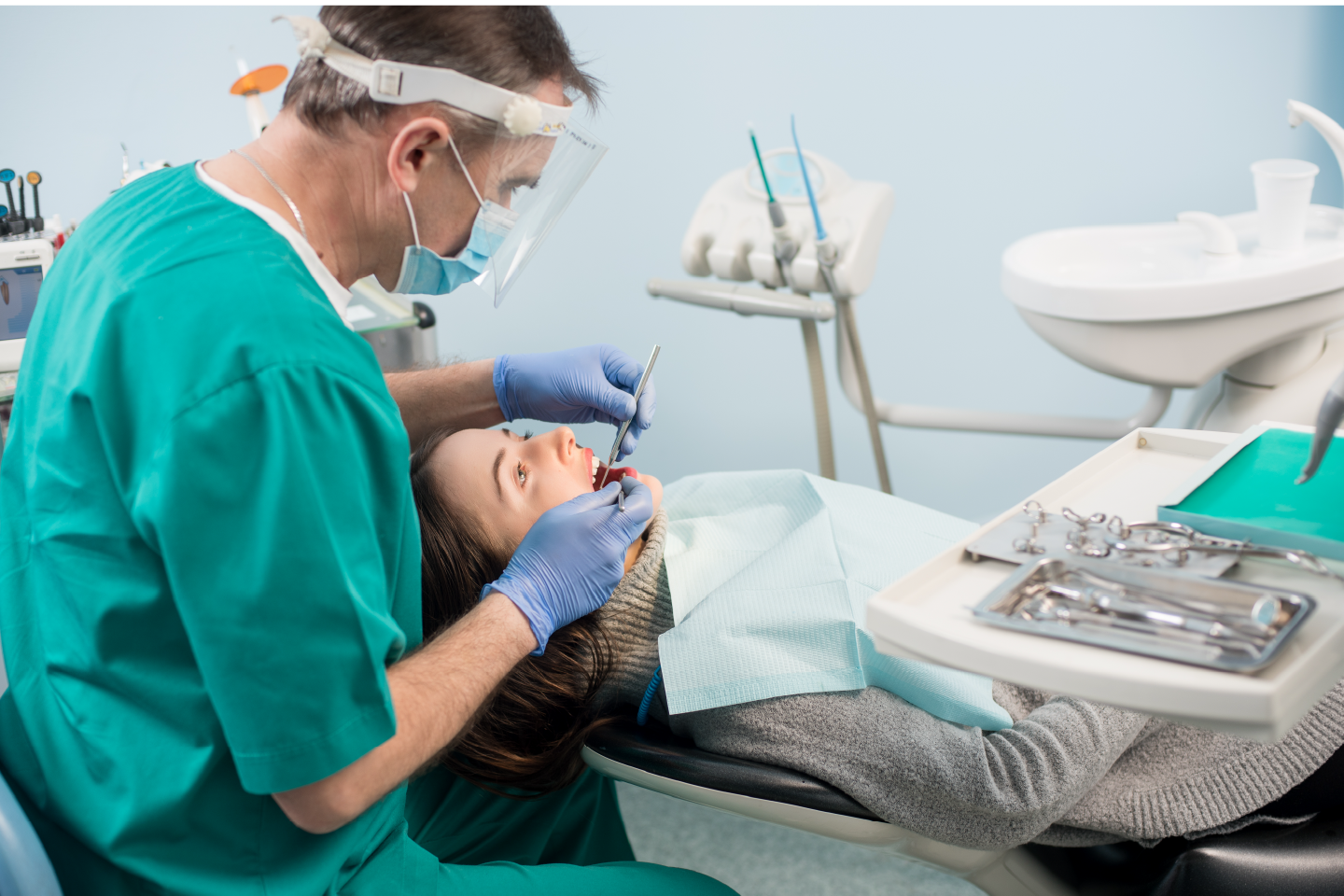
Your dentist or hygienist will assess the health of your gums by measuring pocket depths and taking X-rays if necessary. This helps determine the severity of gum disease.
Pocket Depth (Probing Depths):
Local anaesthesia may be applied to numb the treated area, ensuring comfort during the procedure.
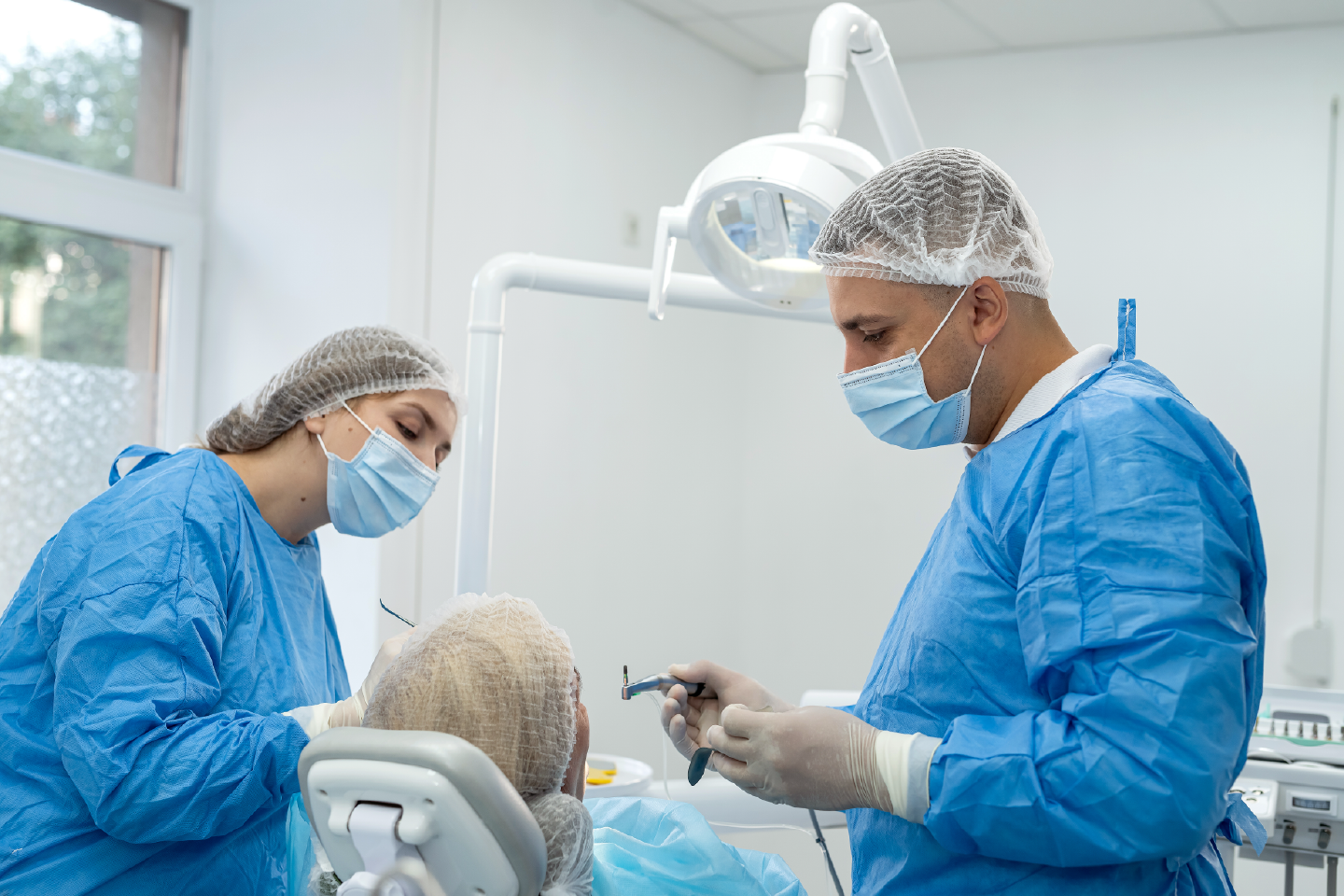
Special instruments, such as ultrasonic scalers and hand tools, are used to carefully remove plaque and tartar deposits from below the gum line.
The root surfaces are smoothed to reduce bacterial retention and allow the gums to heal more effectively.
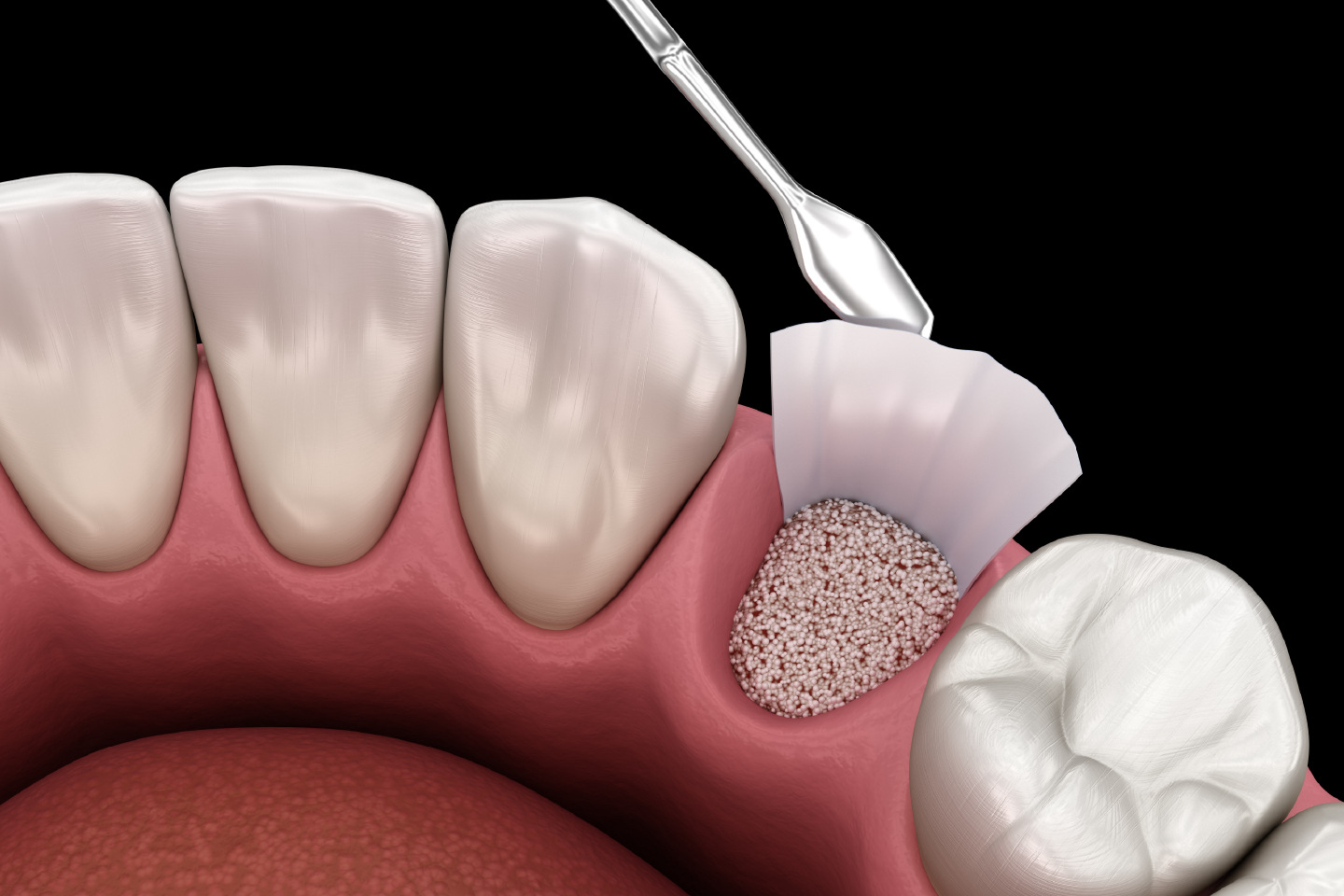
After the procedure, your dentist will schedule follow-up appointments to monitor healing and review oral hygiene practices. Additional treatments may be needed in more advanced cases.
Proper aftercare plays a vital role in the success of periodontal treatment.
Periodontal debridement and root planing are typically recommended if:
Addressing gum disease early with these procedures helps preserve your natural teeth and protect your oral health.
Prevention remains the most effective approach to gum health. Alongside professional care, you can reduce your risk of gum disease by:
After undergoing periodontal debridement and root planing, you may need more frequent maintenance visits compared to routine dental patients. These visits help monitor gum health, remove new deposits, and prevent recurrence.
Gum disease can be managed effectively when addressed early. Periodontal debridement and root planing are proven non-surgical methods that remove harmful deposits, encourage healing, and protect against further damage.
If you are experiencing symptoms of gum disease, such as bleeding gums or persistent bad breath, timely assessment is important. Contact Alpha Dental Group to schedule a consultation and discuss whether periodontal debridement and root planing are suitable for your needs.






.svg)


