


.svg)











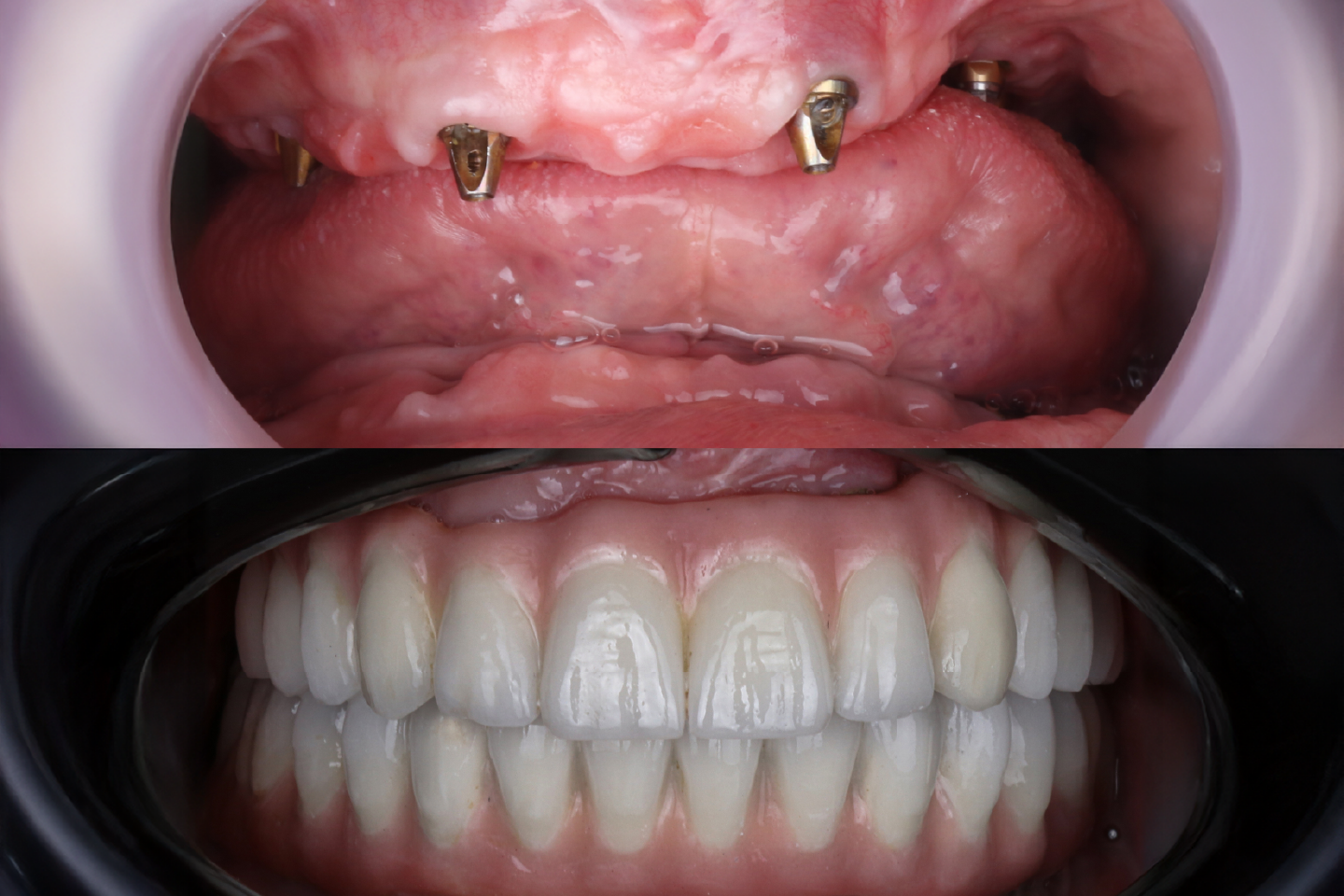
Crown lengthening is a minor surgical procedure that adjusts the level of the gum tissue and, in some cases, the underlying bone around a tooth. It is often carried out to expose more of the natural tooth structure for functional or restorative reasons, but it can also play an important role in managing gum disease.
Crown lengthening involves reshaping the gum line to uncover more of a tooth’s surface. The procedure can be performed on one tooth, several teeth, or the entire gum line, depending on the clinical need.
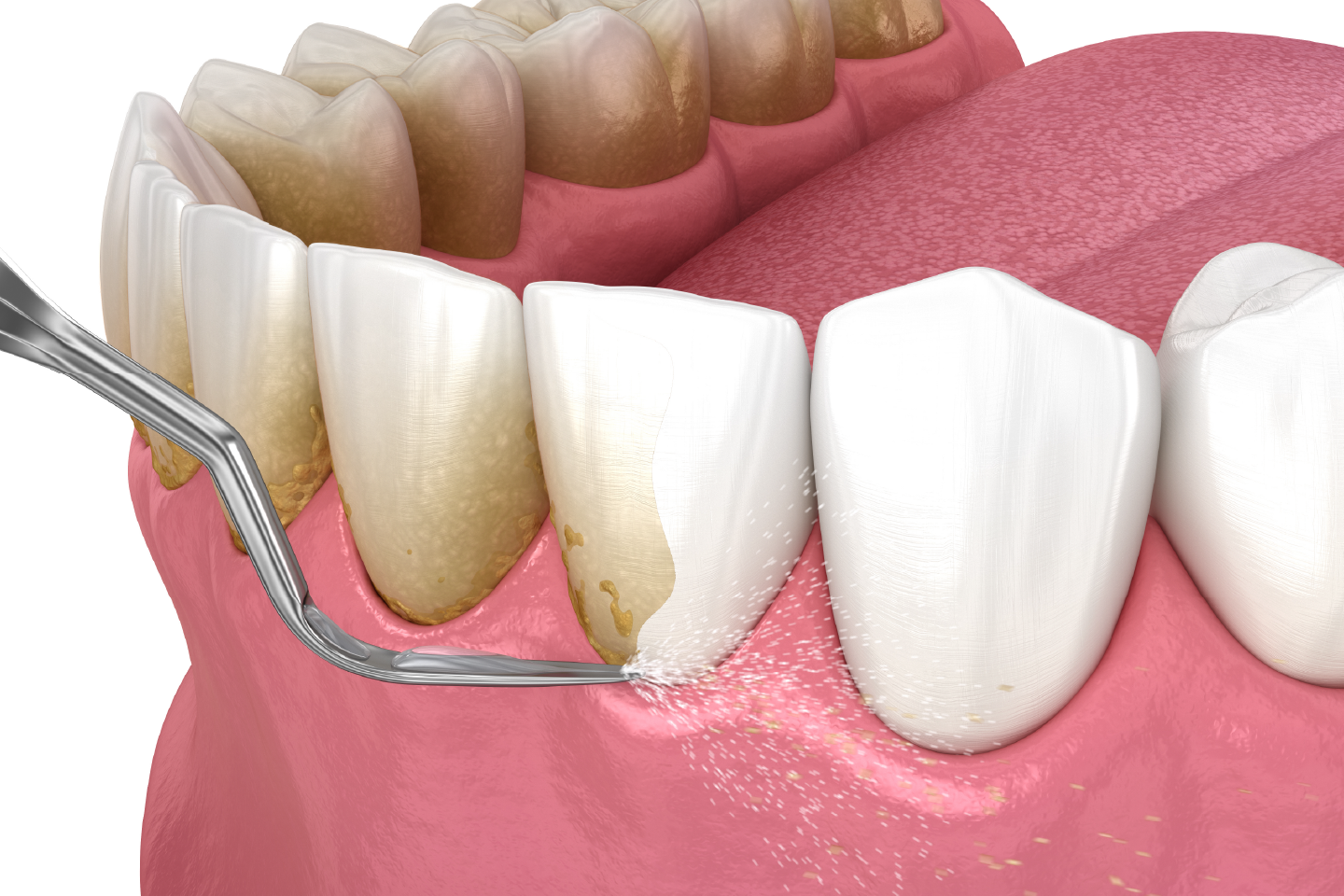
In patients with gum disease, deep periodontal pockets may form around the teeth, trapping bacteria and making effective cleaning difficult. Crown lengthening can reduce pocket depth, giving better access for oral hygiene and ongoing periodontal maintenance.
When gum disease progresses, bacteria cause inflammation that destroys supporting gum tissue and bone. This results in periodontal pockets—spaces between the teeth and gums that are difficult to clean.
Crown lengthening can help reduce these deep pockets, making it easier for patients and dental professionals to keep the area free from harmful bacteria.
Knowing what to expect can help patients feel more comfortable about undergoing treatment.
A thorough examination is carried out to determine whether crown lengthening is suitable. This may include pocket depth measurements, X-rays, and evaluation of overall gum health.
Local anaesthesia is used to numb the treatment area and ensure patient comfort.
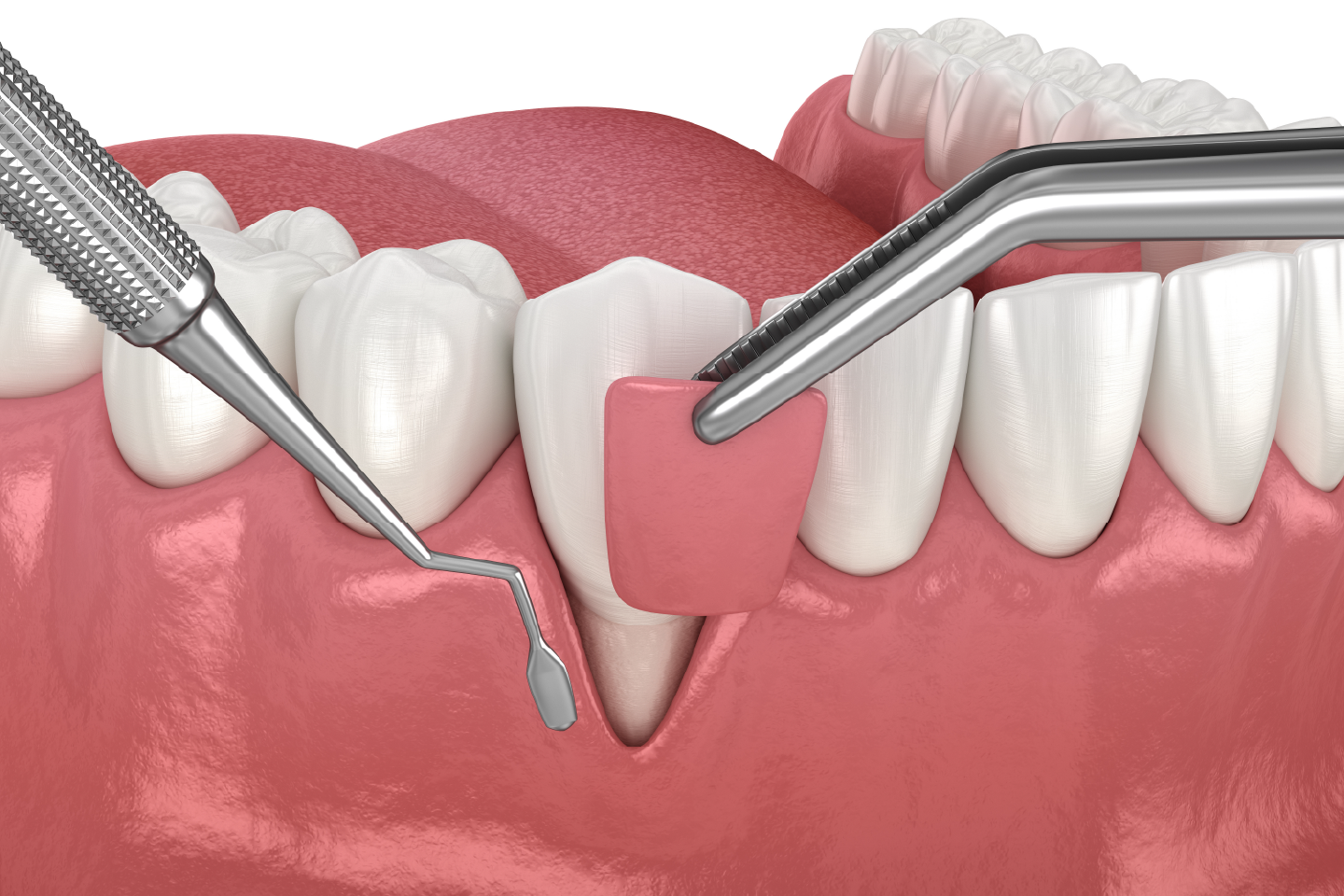
The gum tissue around the affected tooth is gently reshaped and repositioned. In some cases, a small amount of bone may also need to be removed to allow adequate exposure of the tooth surface.
The gums are sutured into their new position. Healing typically takes several weeks, during which the gums gradually settle into a healthier and more maintainable contour.
Following the dentist’s instructions carefully will support smooth healing after crown lengthening.
Crown lengthening contributes to gum disease management by making teeth easier to clean and reducing areas where bacteria can hide.
Like all surgical procedures, crown lengthening carries some risks, although they are uncommon.
Your dentist will explain the risks and provide strategies to minimise them.
Crown lengthening may be recommended if you:
While crown lengthening can be an important part of gum disease treatment, prevention remains the most effective approach to oral health.
Crown lengthening is more than a restorative procedure—it can also play an important role in periodontal care. By reshaping the gums and reducing pocket depth, it supports healthier gum contours, easier cleaning, and improved long-term outcomes for patients with gum disease.
If you are concerned about gum disease or have been advised that crown lengthening may be required, contact Alpha Dental Group to arrange a consultation. Our team can assess your gum health and guide you through the most suitable treatment options.










.svg)


