


.svg)










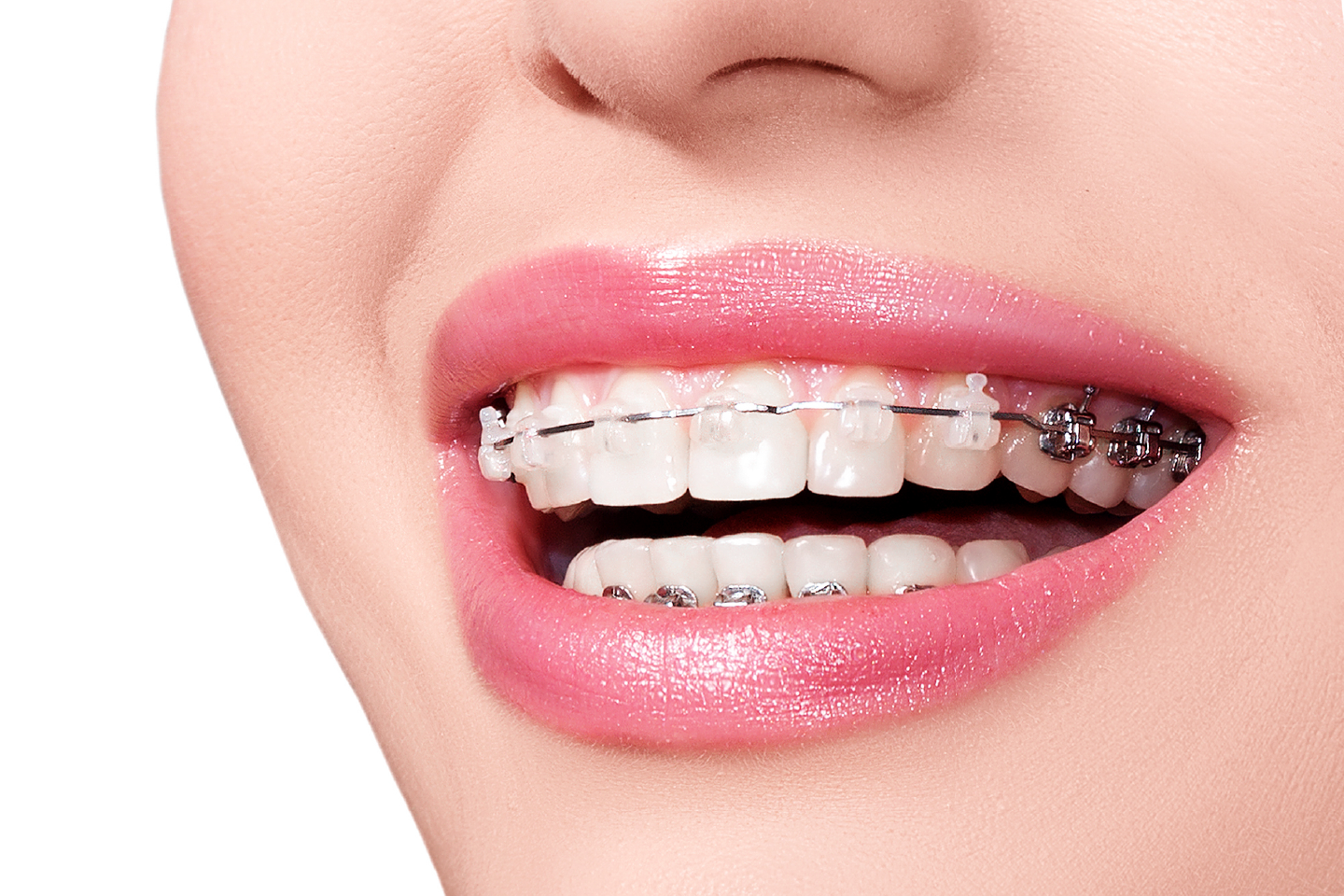
Orthodontic treatment plays a key role in improving dental alignment, bite function, and overall oral health. Among the many options available today, metal braces remain one of the most established and widely used methods.
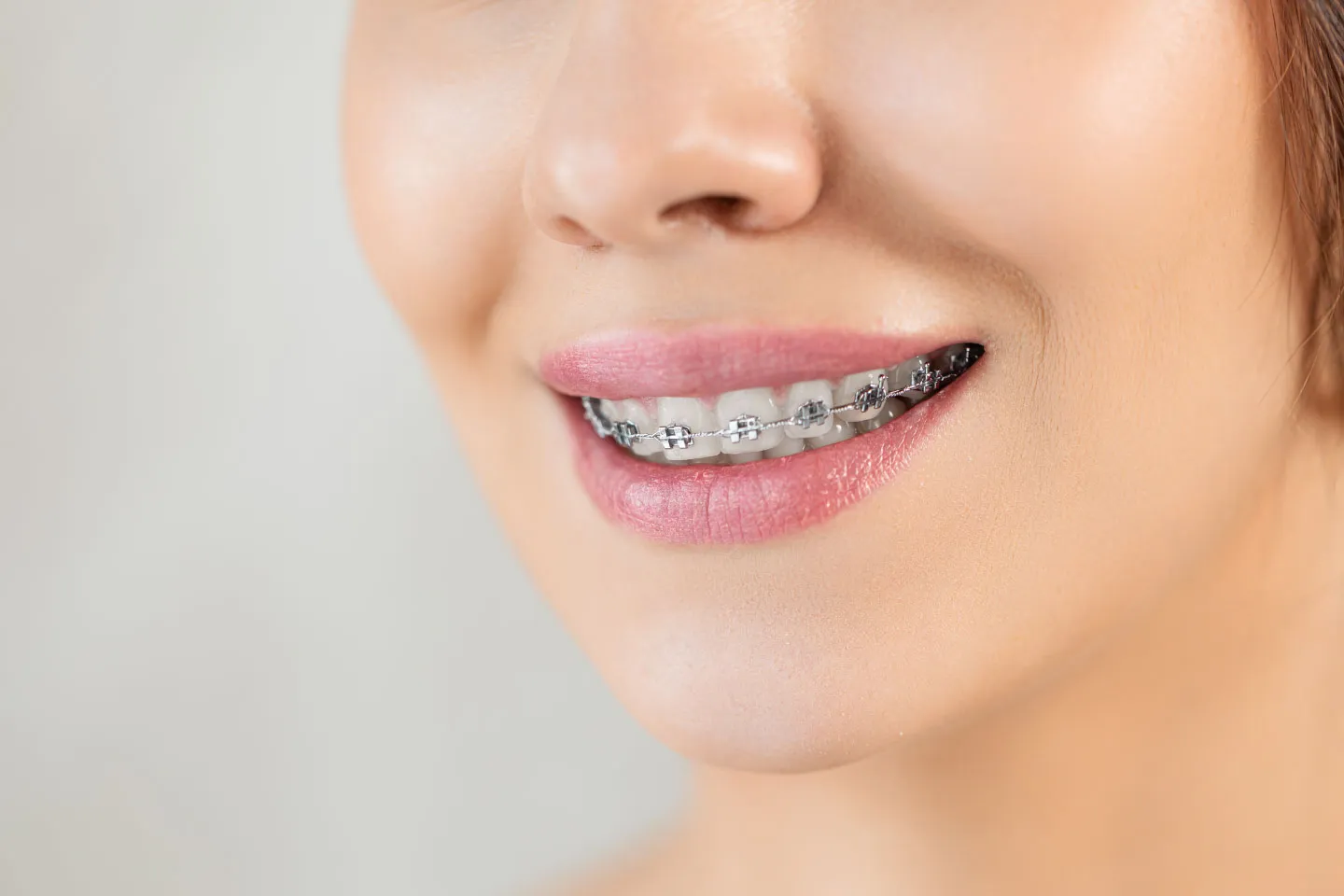
Braces work through a system of brackets and wires that apply gentle, consistent pressure over time to gradually move teeth into improved positions. Although newer alternatives exist, such as clear aligners or ceramic braces, metal braces continue to be a trusted choice for both children and adults due to their reliability in treating a wide range of dental conditions.
This guide provides a detailed look at how metal braces work, when they may be recommended, what to expect during treatment, and important aftercare considerations.
Dental misalignment and bite issues are more than just aesthetic concerns. Left unaddressed, they can sometimes affect chewing, speaking, and oral hygiene. Common reasons why braces may be recommended include:
Correcting these issues with orthodontic treatment can help improve bite function, support oral hygiene, and contribute to balanced facial alignment.
The process of realigning teeth with braces involves gradual adjustments that take place over months or years. The main components of metal braces include:
The pressure exerted by the archwire and elastic components stimulates the bone around the teeth to remodel. This biological process allows teeth to shift gradually into their new positions.
Although all metal braces work on the same principle, there are different systems available:
The choice between these systems depends on factors such as the severity of the case, treatment goals, and the dentist's recommendations.
The process begins with a detailed orthodontic consultation. This typically involves a clinical examination, dental X-rays, photographs, and impressions or digital scans of the teeth. The dentist or orthodontist uses this information to create a customised treatment plan.
At the first treatment appointment, the brackets are bonded to the teeth, and the archwire is secured. This appointment may take an hour or more, depending on the complexity.
It is normal to experience mild soreness, tightness, or irritation in the days following placement. These sensations usually subside as the mouth adapts. Patients may also need some time to adjust their speech and eating habits.
Follow-up visits are usually scheduled every 4 to 8 weeks. During these visits, the dentist makes adjustments by tightening the wire or changing elastics. These small changes keep the treatment on track.
The total duration varies depending on the complexity of the case. While minor corrections may take about a year, more complex treatments can require two to three years.
Braces create additional surfaces where food and plaque can accumulate, making oral hygiene especially important. Patients are usually advised to:
Certain foods should be avoided during treatment to prevent damage to brackets or wires. Examples include:
Cutting food into smaller pieces can also help reduce strain on braces.
The benefits of braces extend beyond aesthetics. Key advantages include:
As with any dental treatment, braces come with considerations that patients should understand before starting:
A detailed discussion with a dentist or orthodontist helps set realistic expectations and allows patients to weigh the benefits against these considerations.
Once braces are removed, treatment does not end immediately. Teeth have a natural tendency to move back toward their original positions. To prevent this, retainers are prescribed.
Wearing retainers as instructed is critical for long-term stability. Regular dental check-ups also remain important to monitor oral health and alignment.
Orthodontic assessments can be helpful at any age, but early evaluation in childhood or adolescence can sometimes make treatment simpler. Adults can also benefit from braces, although treatment planning may take into account factors such as gum health and existing dental work.
Signs that may suggest the need for a consultation include:
Metal braces remain a dependable and effective orthodontic option for addressing a wide range of dental alignment and bite problems. Although treatment requires time and adjustments to daily habits, the potential benefits for oral health and function are significant.
For more information about orthodontic options or to determine whether braces may be suitable for you, you may contact Alpha Dental to arrange a consultation with our dental team.








.svg)


