


Invisalign First

Invisalign First introduces early orthodontic intervention for children, gently guiding jaw and teeth development while being removable and easy to maintain.

Orthodontic treatment is not only for teenagers and adults. Many children may benefit from early intervention when certain dental or jaw development issues are identified. Invisalign First is an orthodontic system specifically designed for younger patients, typically between the ages of 6 and 10, during what is known as the mixed dentition stage. At this stage, children have a combination of primary (baby) teeth and permanent teeth.

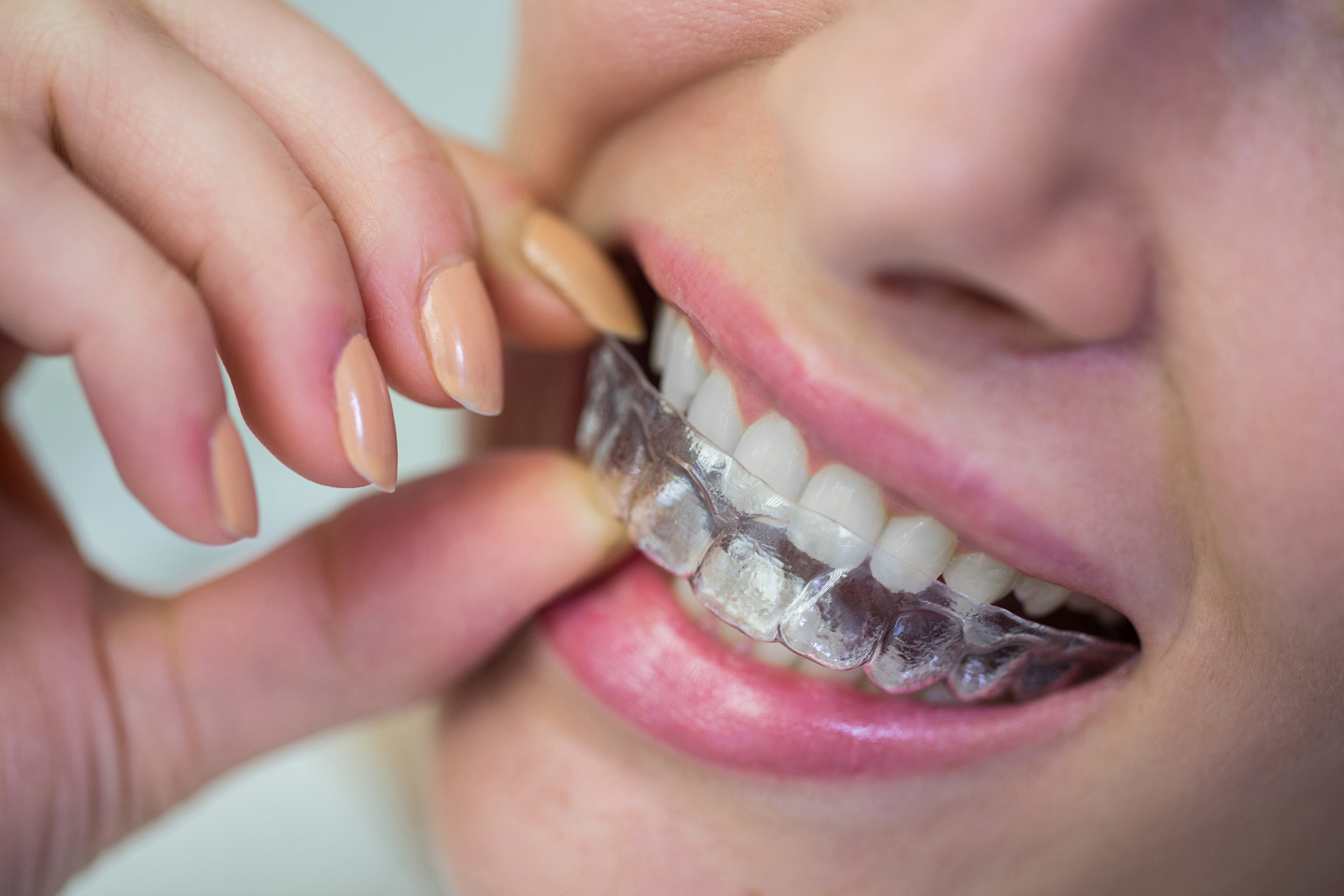
Invisalign First uses clear, removable aligners that are customised to fit a child’s mouth. The treatment aims to guide jaw development and tooth alignment while accommodating growth. For parents who are exploring options for their child’s orthodontic needs, understanding how Invisalign First works and when it may be recommended is an important first step.

Why Early Orthodontic Intervention Matters

Early orthodontic treatment is sometimes recommended to address dental and skeletal issues before they become more complex. Common reasons for early intervention may include:

  • Correction of developing bite problems, such as crossbites or open bites.
  • Guiding the proper eruption of permanent teeth.
  • Creating space for crowded teeth.
  • Managing habits such as thumb sucking that can influence jaw and tooth development.

When detected and managed early, certain orthodontic issues may be addressed more effectively, potentially simplifying or reducing the need for later treatment.

What Is Invisalign First?

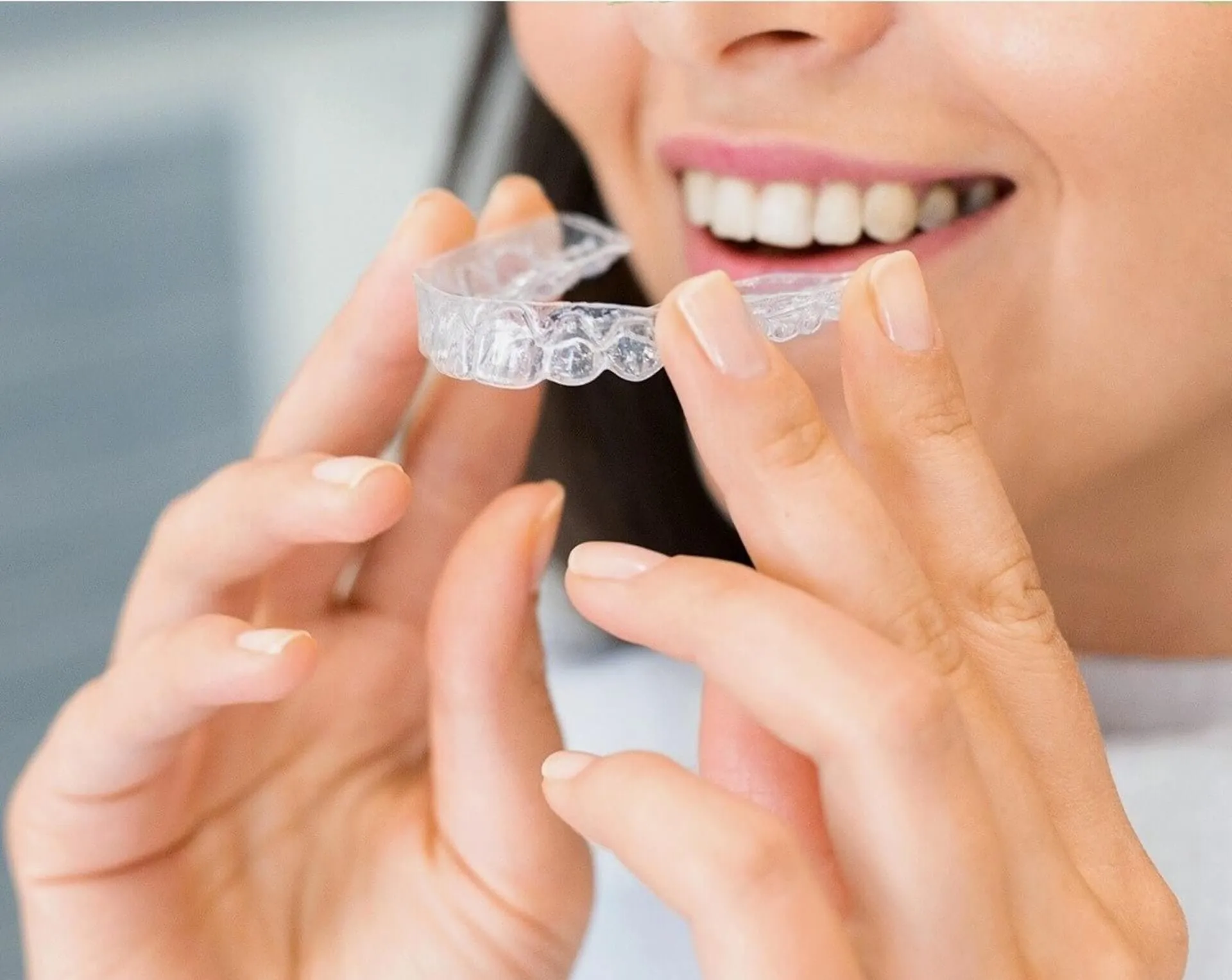
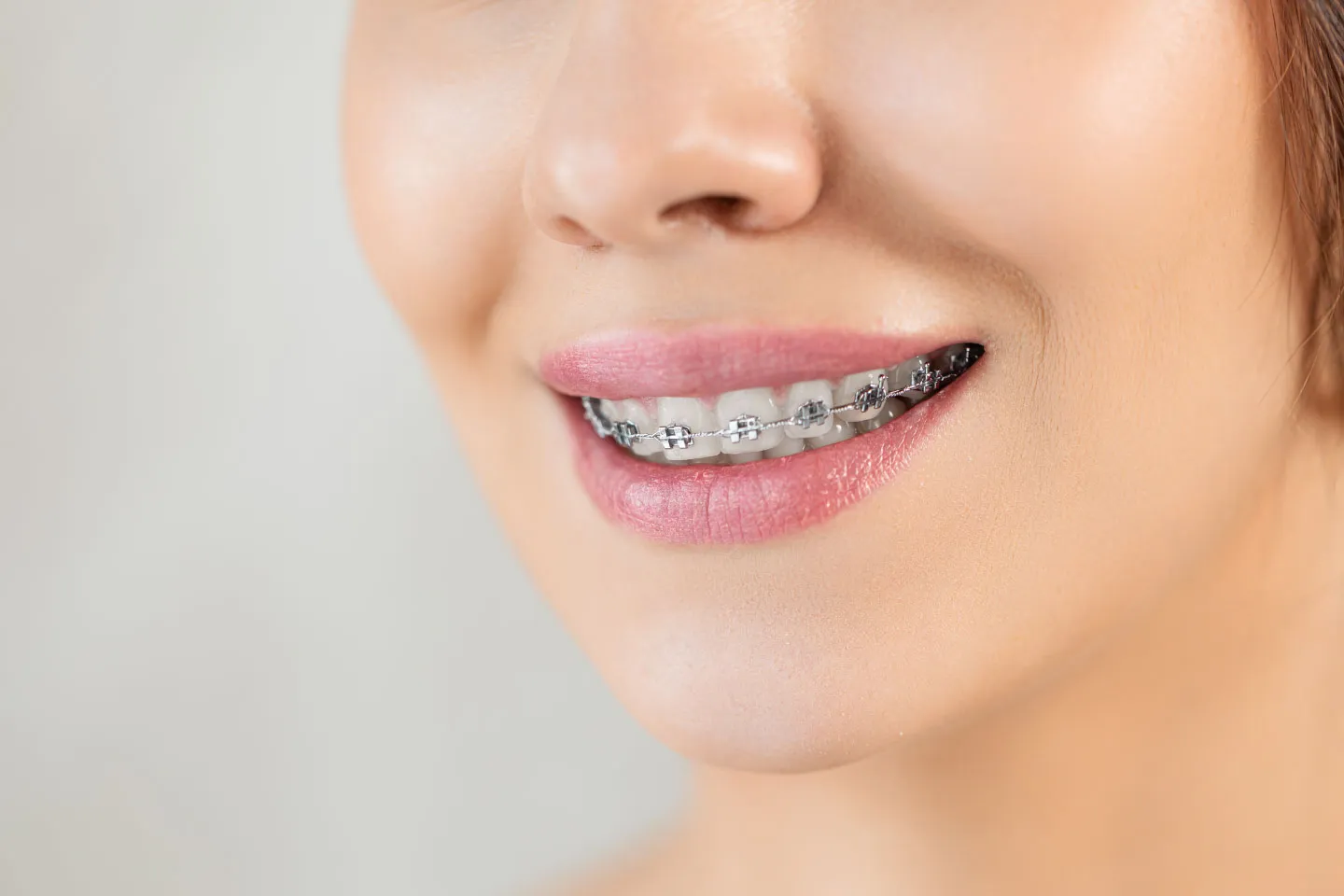
Invisalign First is a clear aligner system tailored for children. Unlike traditional braces, which use brackets and wires, Invisalign First relies on a series of removable plastic aligners that are worn over the teeth. Each set of aligners is designed to apply gentle pressure to gradually shift teeth into their intended positions.

Key features of Invisalign First include:

  • Designed for growing children: The aligners are customised to adapt to the mixed dentition stage.
  • Expansion capability: Invisalign First aligners can help expand the dental arch to create room for erupting permanent teeth.
  • Customised fit: The aligners are digitally planned using 3D imaging technology.
  • Removability: Aligners can be taken out for meals, brushing, and flossing.

The Treatment Process

  1. Initial Consultation: A clinical examination, which may include x-rays, photographs, and a digital impression of teeth, is done. The child’s growth potential and dental development are assessed to determine if Invisalign First is suitable.
  2. Digital Treatment Planning: Using digital scans, a personalised treatment plan is created. This plan maps out the projected tooth movements, taking into account the child’s growth and development.
  3. Aligner Fabrication: Based on the digital plan, a series of aligners is custom-made. Each aligner is designed to move the teeth incrementally over time.
  4. Wearing the Aligners: Children are instructed to wear their aligners for the majority of the day, removing them only for meals and oral hygiene. Compliance is important to achieve the desired outcome.
  5. Follow-up Visits: Regular check-ups allow the dentist to monitor progress, provide new aligners, and make any necessary adjustments.
  6. Completion and Retention: Once the first phase of treatment is completed, retainers may be recommended to help maintain the results until further orthodontic treatment, if needed, can be carried out during adolescence.

Benefits and Considerations


Benefits
  • Early intervention: Addresses orthodontic issues before they become more severe.
  • Aesthetic option: Clear aligners are less noticeable than braces.
  • Oral hygiene: Aligners can be removed for brushing and flossing, making it easier to maintain oral health.
  • Comfort: The smooth plastic aligners may reduce irritation compared to brackets and wires.
Considerations
  • Compliance: Aligners must be worn as instructed. Children may need parental supervision to ensure they are following guidelines.
  • Limited suitability: Not all children are candidates. The dentist will determine if Invisalign First is appropriate based on the child’s needs.
  • Retention phase: A second stage of orthodontic treatment may still be necessary during the teenage years.

Who Is a Candidate for Invisalign First?

Invisalign First may be considered for children who:

  • Have developing orthodontic concerns such as crowding, spacing, or bite problems.
  • They are in the mixed dentition stage.
  • Can reliably wear and care for aligners with parental supervision.

Children with certain complex orthodontic issues may be better suited to other treatment methods. The decision will be made following a professional evaluation.

Care and Maintenance of Aligners

To ensure treatment progresses as planned, children and parents should follow care guidelines:

  • Wear aligners as instructed, usually 20–22 hours per day.
  • Remove aligners when eating or drinking anything other than water.
  • Clean aligners daily using a soft toothbrush and lukewarm water.
  • Avoid hot water, as it may distort the aligners.
  • Store aligners in the case provided when not in use.

The Role of Parents in Treatment Success

Parental involvement is an essential part of Invisalign First. Parents play a key role in:

  • Reminding their child to wear aligners consistently.
  • Supervising oral hygiene routines.
  • Monitoring the condition of aligners to ensure they are not lost or damaged.
  • Attending follow-up visits with the child.

Successful outcomes rely on the combined efforts of the child, parents, and dental team.

Conclusion

Invisalign First provides an early orthodontic option for children in their growing years. By addressing developing dental and bite concerns at a younger age, Invisalign First can play a role in guiding proper growth and setting the foundation for long-term oral health.

At Alpha Dental, our team offers comprehensive orthodontic evaluations to determine whether Invisalign First or another approach is appropriate for your child. If you would like to learn more about Invisalign First and whether it may benefit your child, we encourage you to schedule a consultation with our dental team.

Menu

WhatsApp