


.svg)









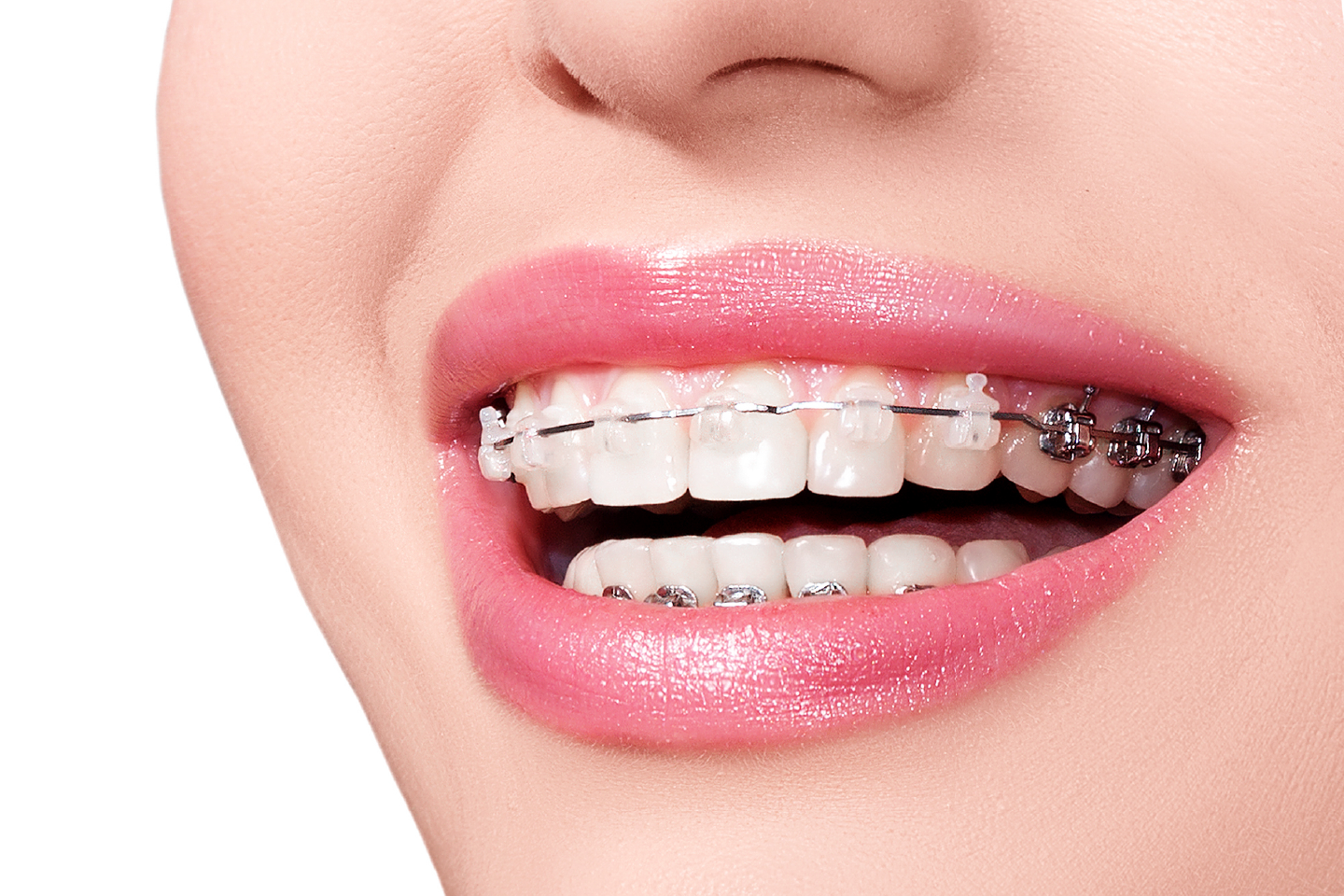
Orthodontic treatment aims to correct misaligned teeth and bite irregularities, improving both function and oral health. Among the many available options, ceramic braces offer an alternative to traditional metal braces. While both systems function in a similar way, ceramic braces use tooth-coloured or clear brackets, making them less noticeable.
This page provides an overview of ceramic braces, including how they work, their advantages and limitations, and what to expect during treatment.
Ceramic braces work in much the same way as metal braces. They apply gentle, continuous pressure to move teeth into improved positions over time. The key difference lies in the material used for the brackets.
The treatment process relies on controlled adjustments over time, encouraging bone remodelling that allows teeth to move.
While both systems share the same working principle, there are notable distinctions:
The process begins with a consultation that may include X-rays, photographs, and impressions or digital scans. The dentist or orthodontist assesses alignment, bite, and jaw structure before recommending treatment.
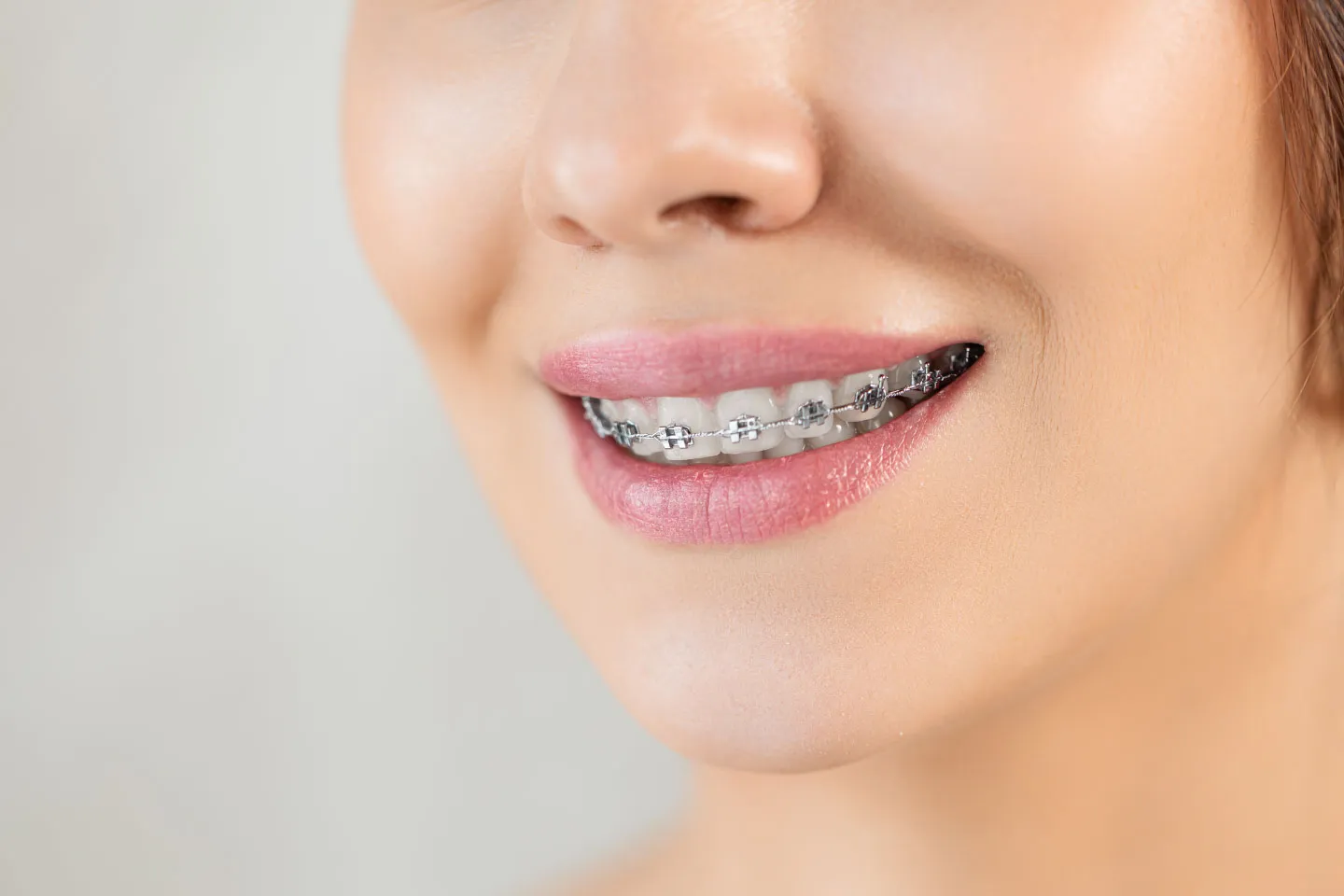
Brackets are carefully bonded to the teeth, and the archwire is secured. Clear or tooth-coloured ligatures may be used for a more discreet appearance.
Regular appointments are scheduled every 4–8 weeks. During these visits, wires are adjusted or replaced to guide tooth movement.
The length of treatment depends on the complexity of the case. For most patients, treatment may last between 18 months and 3 years.
Maintaining cleanliness with ceramic braces requires careful attention. Food particles can stain ligatures, and plaque buildup may increase the risk of gum inflammation or cavities. Patients are usually advised to:
As with metal braces, patients should avoid foods that can damage or stain braces, including:
Some patients experience mild discomfort after adjustments, which usually subsides within a few days. Orthodontic wax may be provided to cover brackets if they cause irritation.
Ceramic braces are chosen for several reasons:
It is important to consider both the benefits and limitations of ceramic braces before starting treatment:
As with all orthodontic treatments, retainers are essential after braces are removed. Teeth can naturally drift back to their original positions if retainers are not worn as directed.
Types of retainers include:
Long-term maintenance requires adherence to the orthodontist’s instructions and continued routine dental visits.
Ceramic braces can be an option for both adolescents and adults. They are often chosen by individuals who prefer a less noticeable treatment but still require the reliability of fixed orthodontics.
However, they may not always be recommended for younger children, as ceramic brackets are more fragile and may not withstand the higher forces often required in early treatment. The decision is best made in consultation with a dentist or orthodontist.
While generally safe, there are potential risks and inconveniences to be aware of:
An orthodontic consultation may be beneficial if you experience:
Ceramic braces combine the reliability of fixed orthodontic treatment with a more discreet appearance. While they require careful maintenance and may involve higher costs than metal braces, they can be an effective choice for patients seeking less visible treatment options.
If you would like more information about ceramic braces or other orthodontic options, you may contact Alpha Dental to arrange a consultation with our dental team.









.svg)


