


.svg)










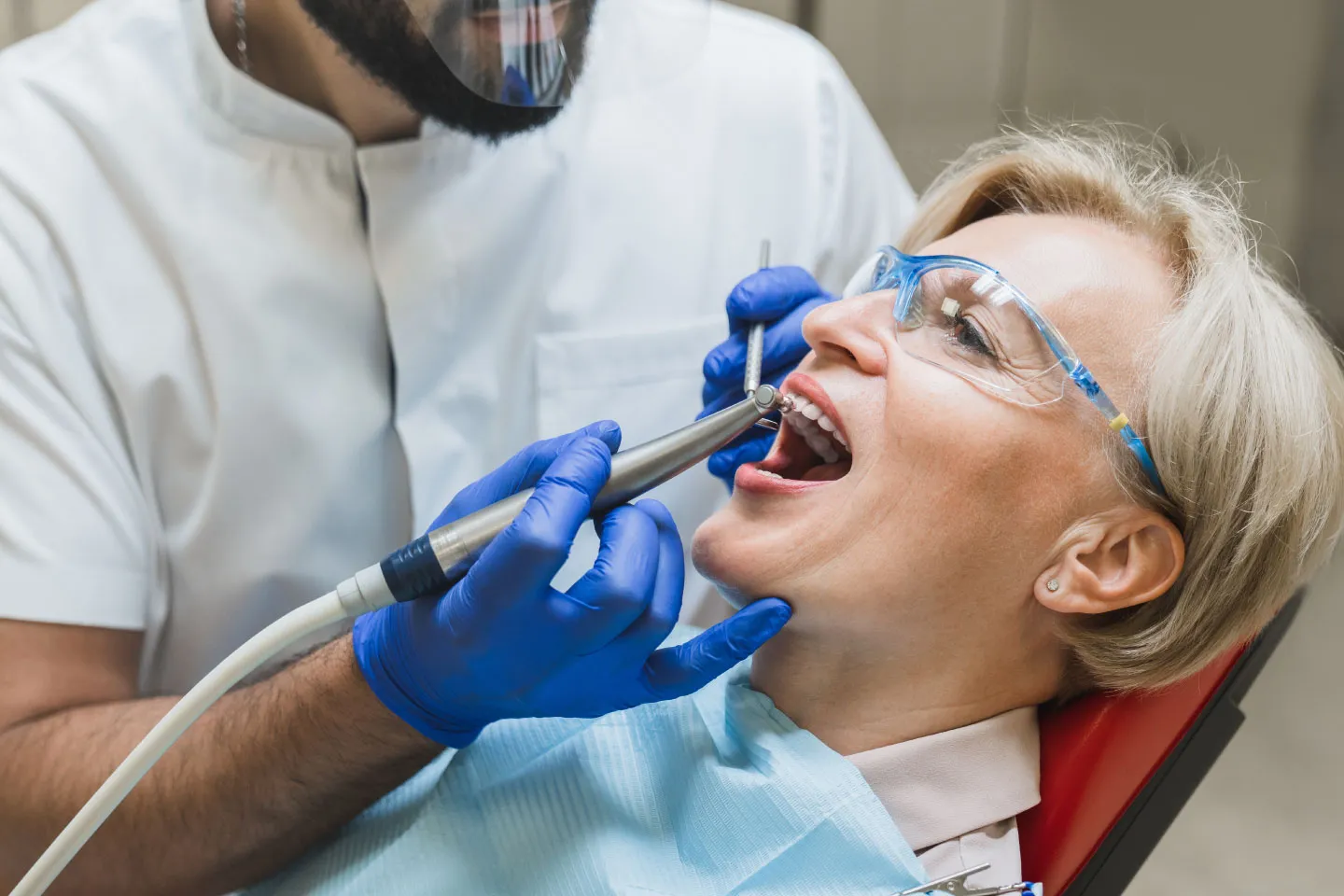
Root canal treatment is often an effective procedure to save a natural tooth that has been affected by infection or damage. However, in some cases, a previously treated tooth may not heal as expected, or new issues may arise months or even years after the initial treatment. In such situations, root canal retreatment may be recommended. At Alpha Dental, our team provides comprehensive assessments and treatment planning to determine if retreatment is appropriate for your dental needs.
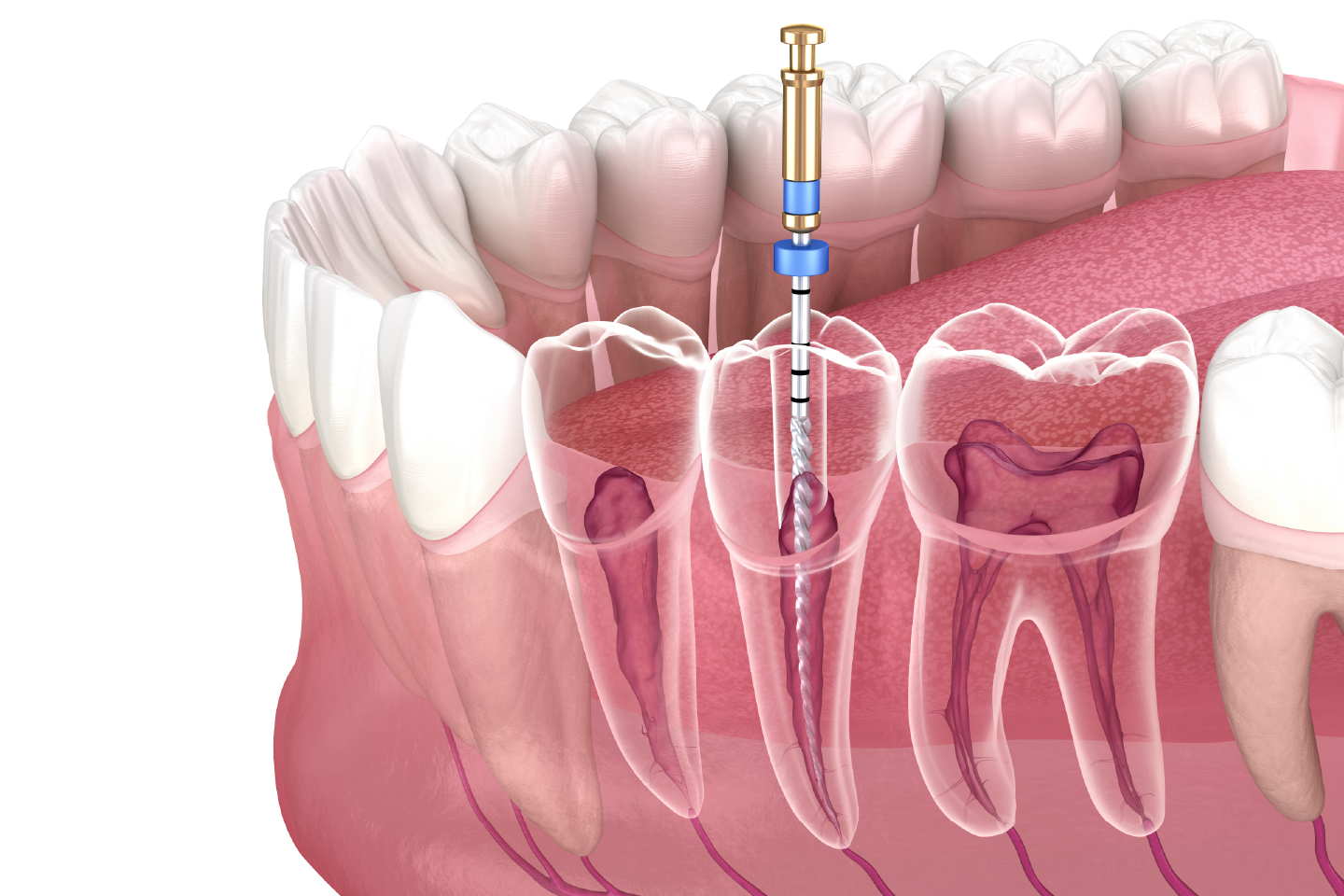
Root canal retreatment is a procedure performed on a tooth that has previously undergone root canal therapy but has not healed properly or has developed a new infection or discomfort. The process involves reopening the tooth, removing the original filling material, and carefully cleaning and disinfecting the root canals before sealing them again.
Retreatment aims to preserve the natural tooth wherever possible, reducing the need for extraction and replacement with prosthetic options.
A tooth that has undergone root canal treatment may require retreatment for several reasons, such as:
You may need to consult a dentist about retreatment if you experience:
It is important to note that these symptoms can have multiple causes. A thorough dental examination, which may include X-rays, is required to confirm if retreatment is appropriate.
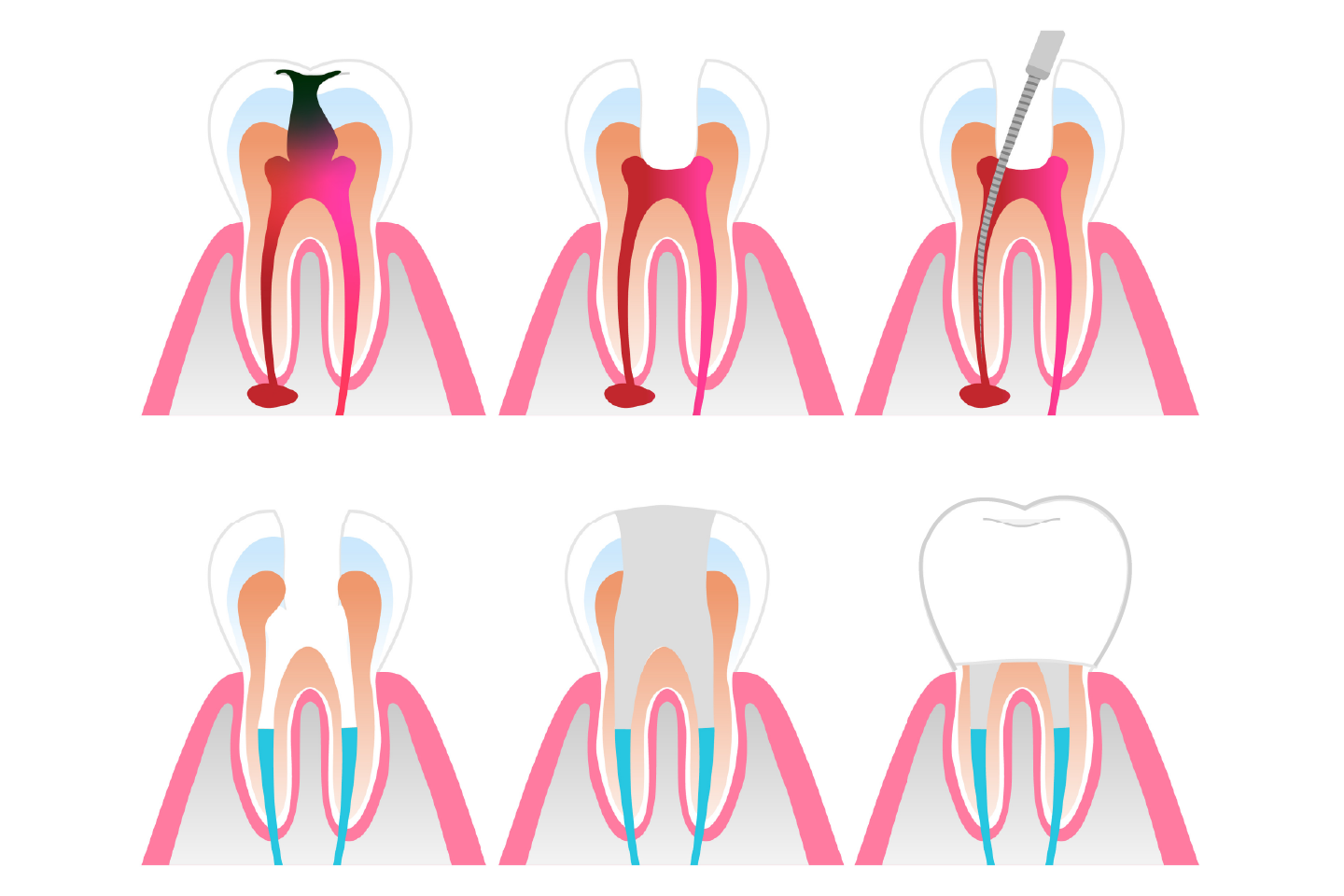
The retreatment process is generally more complex than the initial root canal therapy. The procedure may involve the following steps:
The dentist first performs a detailed evaluation, which includes examining the tooth, reviewing dental history, and taking radiographs. This helps determine whether retreatment is likely to be successful or if other treatment options, such as surgical endodontics or extraction, may be more suitable.
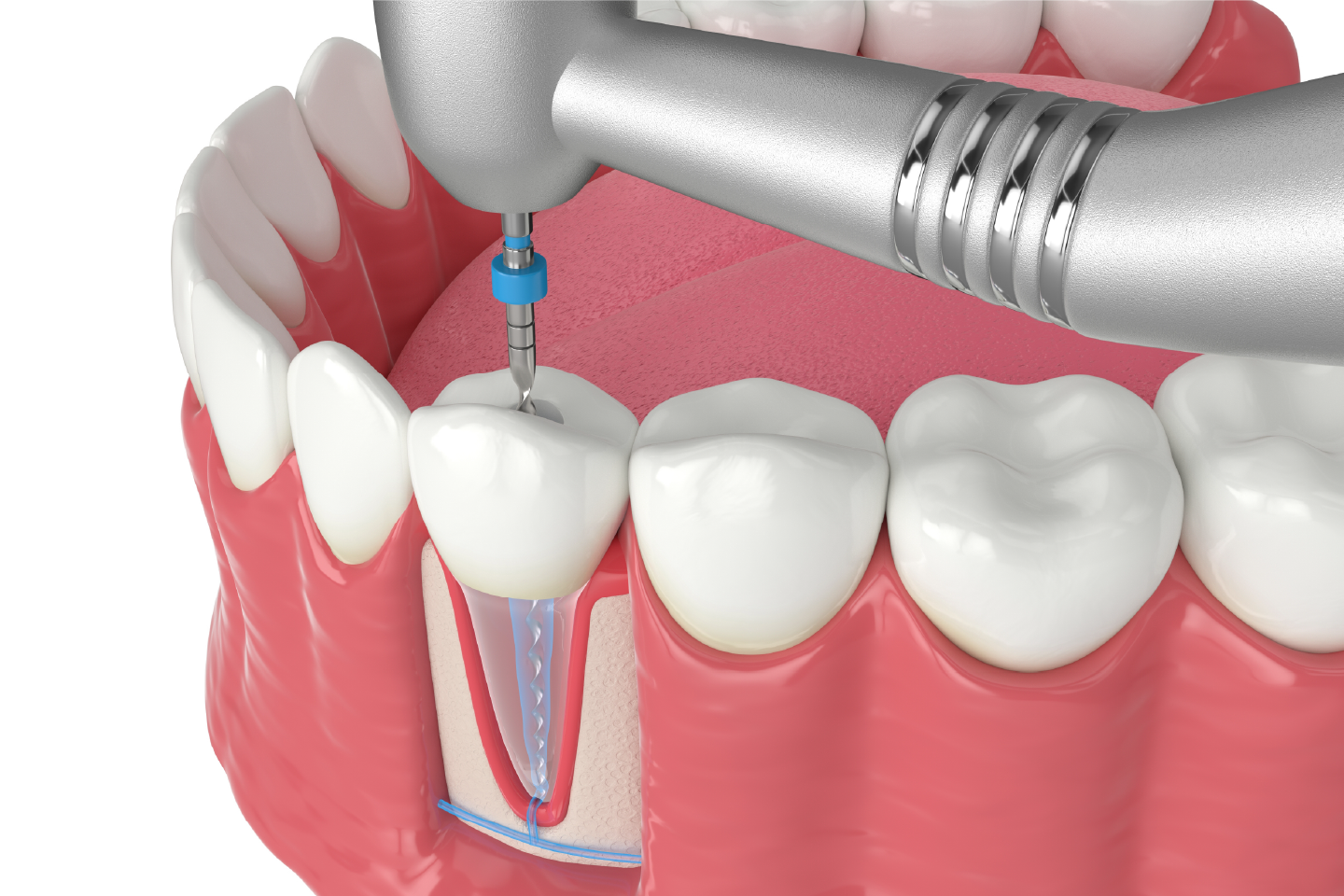
The restoration (such as a crown or filling) is carefully removed to gain access to the root canals. Any previous filling materials placed during the first treatment are also removed.
The dentist thoroughly cleans the canals, removing debris, bacteria, and any residual filling material. Advanced instruments and disinfecting solutions may be used to ensure the canals are properly cleaned.
Once the canals are disinfected, they are shaped and filled with a biocompatible material to seal them and prevent reinfection.
A new filling or crown is placed to restore the structure and function of the tooth. This step is crucial to protect the tooth from further damage or contamination.
Although the basic principles are the same, retreatment can be more challenging than initial treatment due to:
For these reasons, retreatment may take longer and sometimes require multiple appointments.
The main advantages of retreatment include:
In some cases, retreatment may not be the most suitable option. Alternatives may include:
Your dentist will discuss the most appropriate treatment plan based on your condition and preferences.
Following root canal retreatment, it is normal to experience mild sensitivity or discomfort for a few days, especially when chewing. This typically subsides as the tooth heals. Your dentist may recommend:
To prolong the success of root canal retreatment, you can:
Root canal retreatment provides a valuable opportunity to save a tooth that has not healed properly after an initial root canal. While the procedure can be more complex, it remains a reliable way to address infection, relieve discomfort, and restore dental function.
At Alpha Dental, we are committed to offering evidence-based care and detailed evaluations to help patients make informed decisions about their oral health. If you are experiencing symptoms in a previously treated tooth, we recommend scheduling a consultation to determine the most appropriate treatment.








.svg)


