


.svg)











Tooth discoloration can sometimes occur inside a tooth, particularly after root canal treatment or dental trauma. Unlike external stains caused by food, drinks, or lifestyle habits, this type of discoloration is internal and does not respond well to conventional whitening methods. In such cases, internal bleaching may be considered as part of a treatment plan to restore the tooth’s natural appearance.
At Alpha Dental, our dental team carefully evaluates each case to determine whether internal bleaching is appropriate. This treatment is performed under strict clinical standards with the aim of improving the colour of teeth that have darkened due to internal factors.
Internal bleaching is a professional dental procedure designed to lighten a discoloured tooth from the inside. It differs from external whitening treatments, which focus on the tooth surface.
Discolouration of a single tooth may result from:
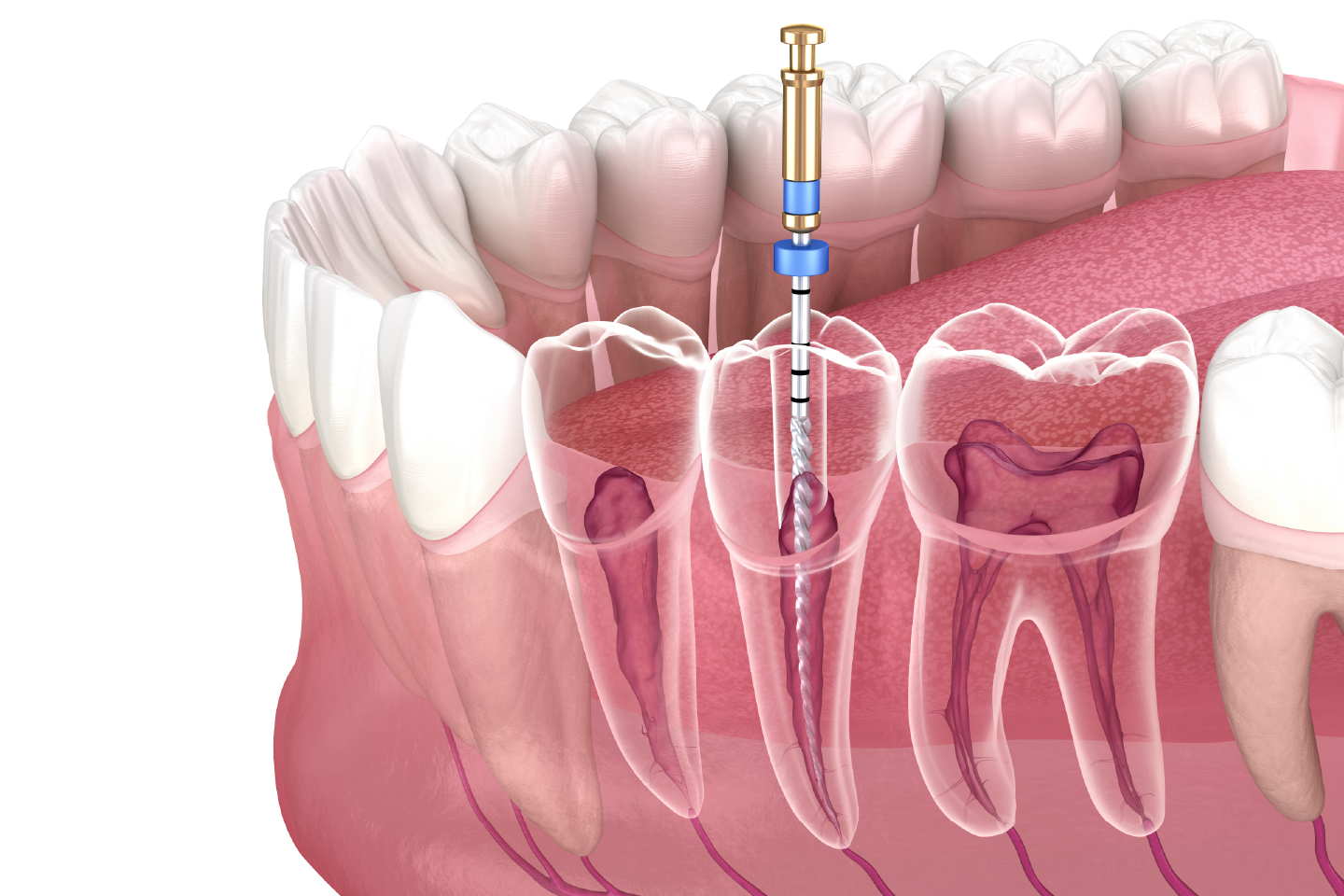
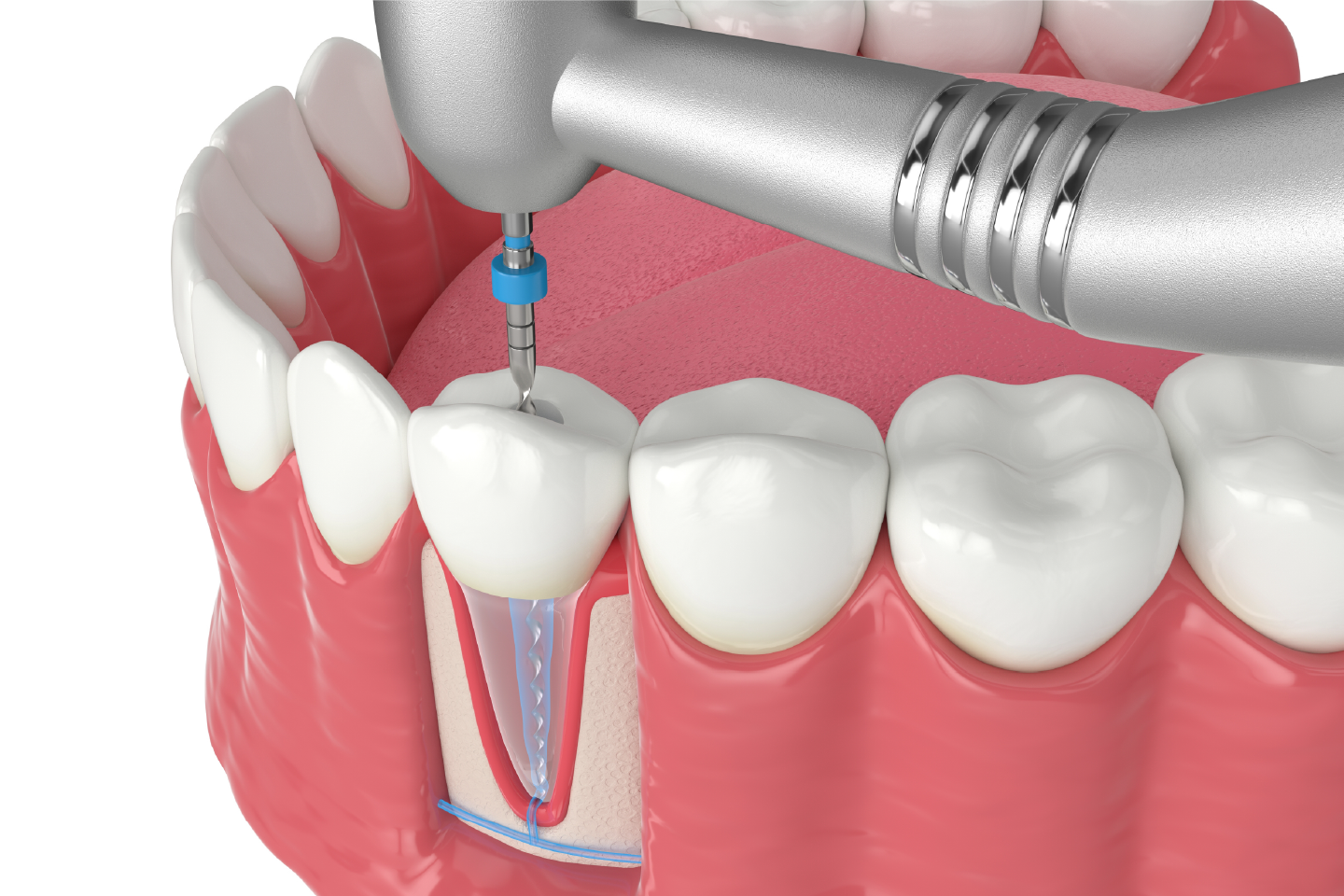
Internal bleaching involves placing a whitening material within the tooth’s pulp chamber (the hollow space inside the tooth where the nerve used to be). The bleaching agent works internally to gradually reduce darkening, resulting in a tooth that better blends with the surrounding dentition.
Internal bleaching may be considered in the following situations:
The treatment is usually performed only on non-vital (root canal-treated) teeth and requires a stable restoration to ensure safety and effectiveness.
At Alpha Dental, internal bleaching is carried out in a systematic and safe manner. The process typically involves:
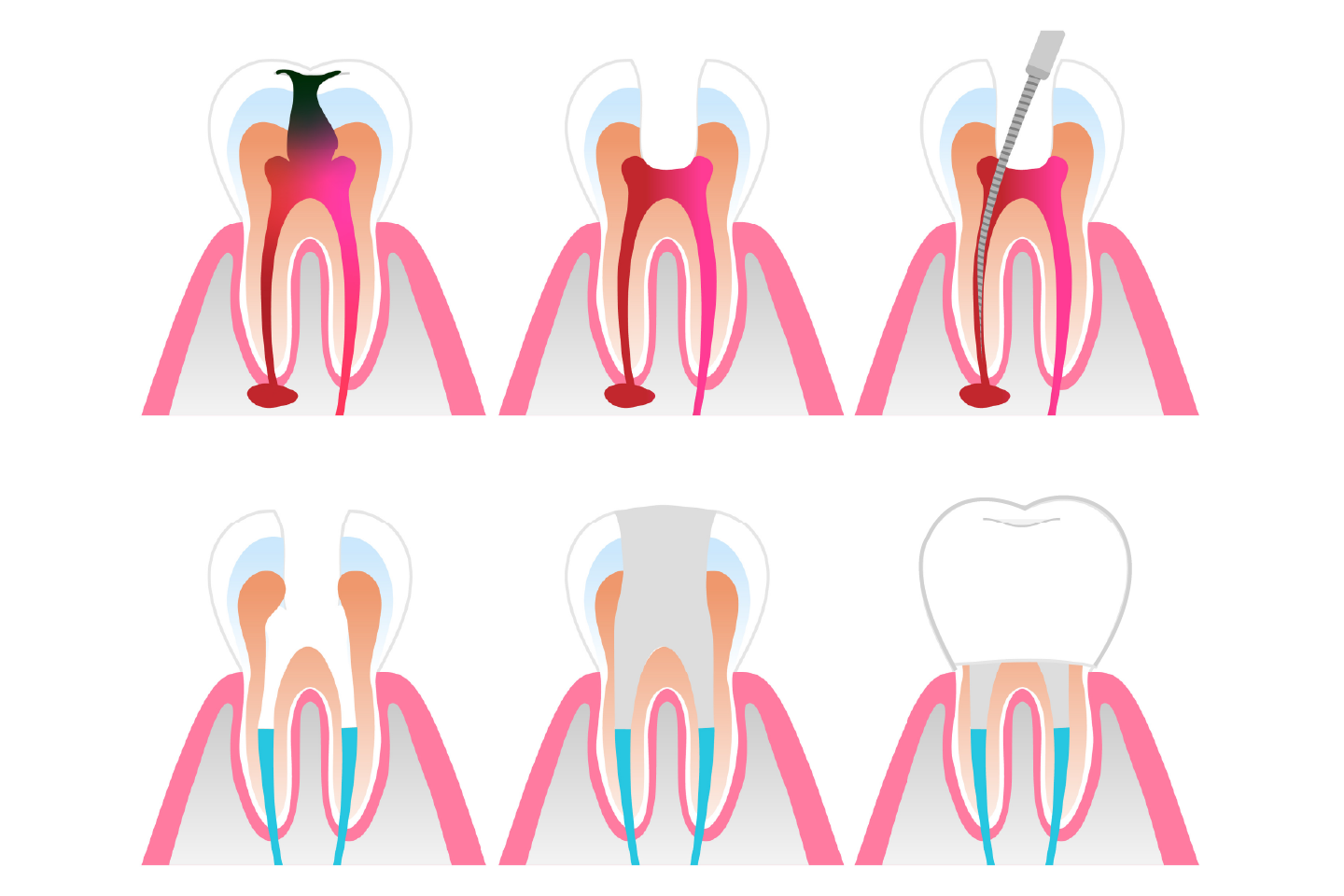
The dentist begins by carefully examining the discoloured tooth. X-rays may be taken to ensure that the tooth has been adequately root canal-treated and that there are no underlying infections or complications.
The tooth is isolated with protective barriers (such as a rubber dam) to prevent leakage of bleaching materials. A small access is made through the existing restoration or filling to reach the pulp chamber.
A protective base is placed over the root filling to ensure that the bleaching material does not seep into the root canal system. This step is important to safeguard the integrity of the tooth.
A special bleaching material (commonly containing hydrogen peroxide or carbamide peroxide) is placed inside the pulp chamber. The chamber is then sealed temporarily to allow the material to act over a period of time.
The patient returns for follow-up visits, during which the bleaching material may be refreshed until the desired improvement in colour is achieved.
Once bleaching is complete, the chamber is thoroughly cleaned, and a permanent restoration (such as a composite filling) is placed to seal the tooth securely.
While internal bleaching can provide significant improvement, there are factors to keep in mind:
Patients are advised to:
Internal bleaching is usually long-lasting, but over time, some degree of discolouration may recur, requiring further treatment or restoration.
At Alpha Dental, treatment decisions are always based on individual needs and clinical evaluation. Our dental team:
Our focus is on delivering evidence-based care, helping patients restore both function and aesthetics in a safe and responsible manner.
Internal bleaching is a conservative and effective option for managing discolouration in root canal-treated or traumatised teeth. By working from within, it offers an alternative to more invasive restorations while improving the tooth’s natural appearance.
If you have a discoloured tooth and would like to explore treatment options, you may arrange a consultation at Alpha Dental. Our team will carefully evaluate your condition and guide you towards the most suitable care plan.








.svg)


