


.svg)









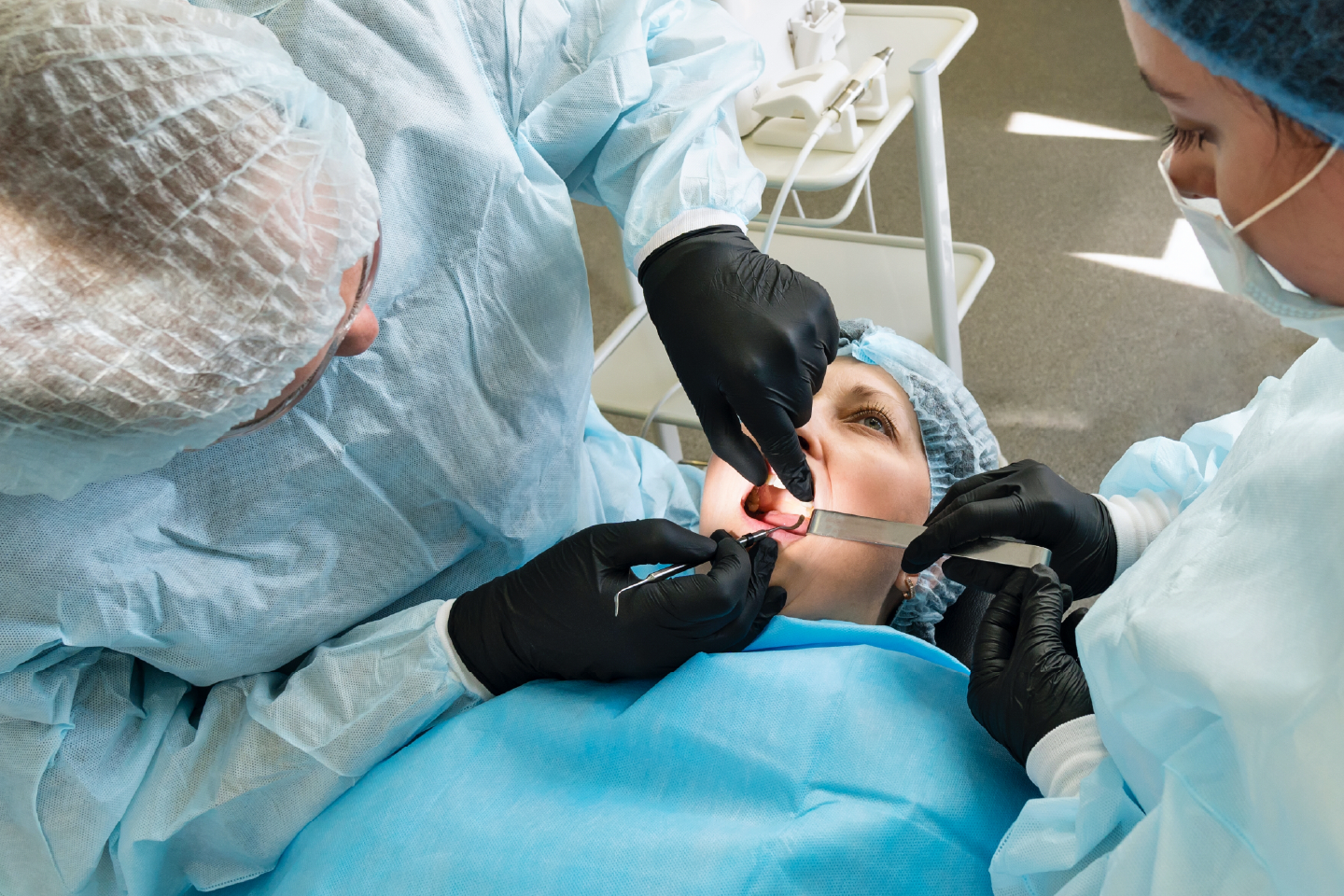
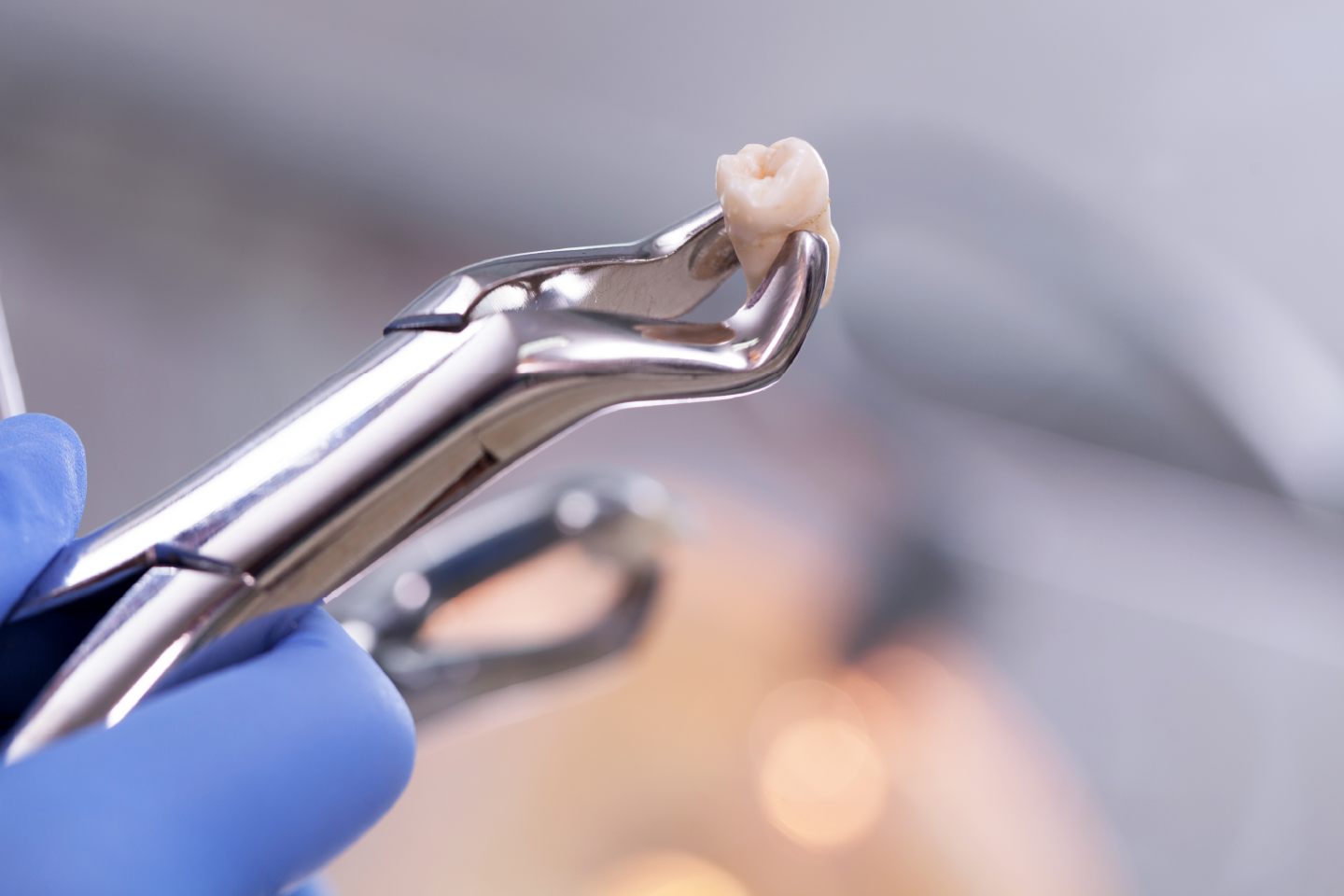
Surgical tooth removal is a dental procedure used when a tooth cannot be extracted through simple methods. While many teeth can be removed using standard extraction techniques, certain cases require a more advanced approach. Surgical removal involves making a small incision in the gum or carefully sectioning the tooth to ensure safe and complete extraction. At Alpha Dental Group, surgical removal is offered when it is the most appropriate solution for a patient’s oral health needs.
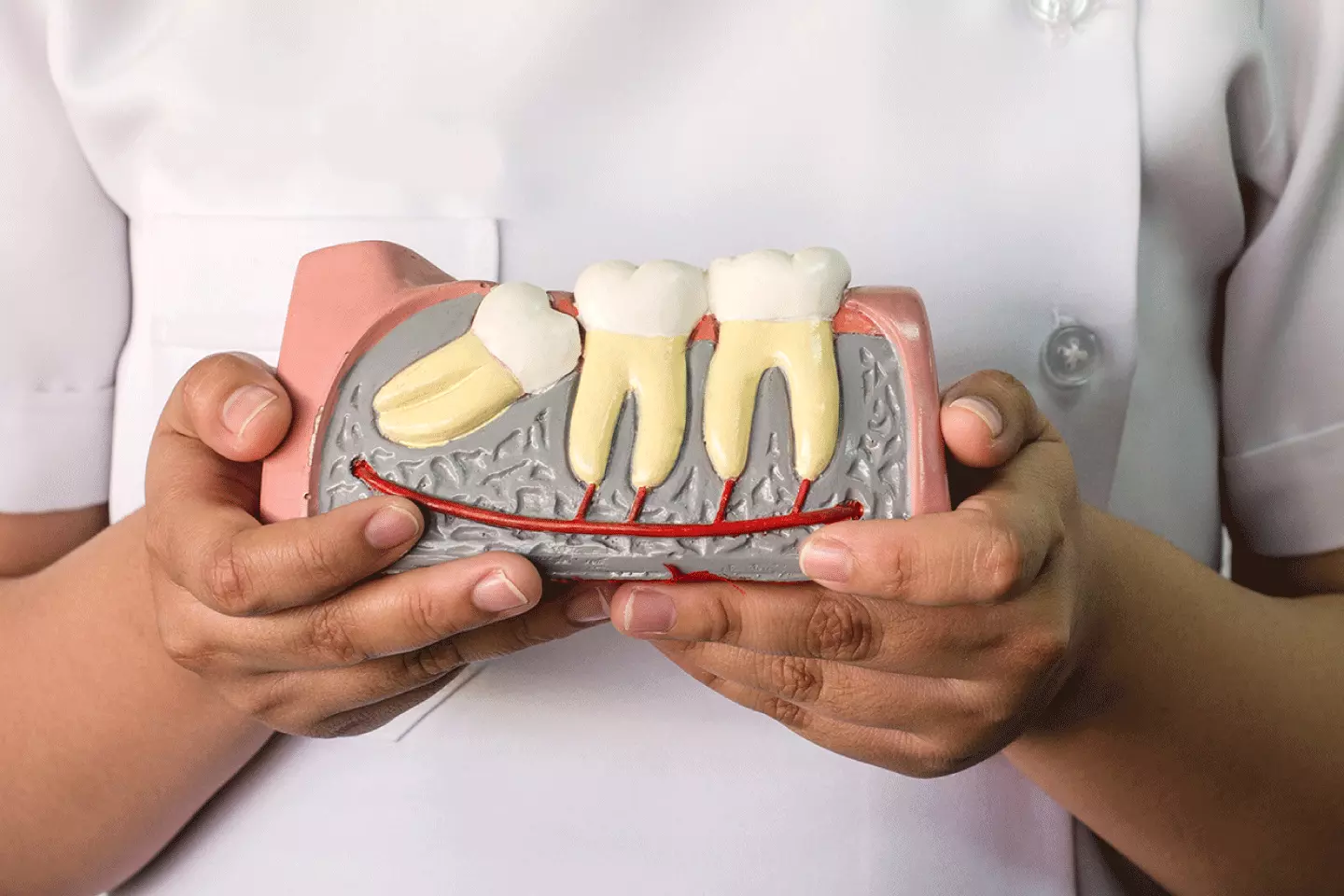
Not all extractions are straightforward. Surgical removal is recommended in situations where a tooth is difficult to access or cannot be removed without additional support. This may occur due to the tooth’s position, condition, or surrounding bone and gum tissue.
Surgical tooth removal is a planned and carefully managed process. The steps are tailored to each patient’s needs, but the general procedure typically follows a structured approach.
Before removal, a clinical assessment is carried out. This often includes X-rays to understand the tooth’s position, root shape, and relation to surrounding structures such as nerves and sinuses. A personalised plan ensures the procedure is performed safely and effectively.
Local anaesthesia is administered to numb the area, ensuring that patients remain comfortable throughout the procedure. In some cases, sedation may also be considered depending on the complexity of the removal and the patient’s needs.
The dentist makes a small incision in the gum to access the tooth. If necessary, a portion of the bone covering the tooth is gently removed.
To reduce trauma and aid smooth extraction, the tooth may be divided into smaller pieces. Each section is carefully removed, ensuring minimal impact on the surrounding tissue.
After removal, the site is cleaned to reduce the risk of infection. In many cases, dissolvable stitches are placed to help the gum heal properly.
Healing following surgical removal varies depending on the complexity of the procedure and individual factors such as overall health and oral hygiene.
Patients are usually advised to:
Like any surgical procedure, tooth removal carries some risks, although these are generally rare when performed with proper planning.
Surgical tooth removal is often part of a wider approach to maintaining oral health. Retaining natural teeth is always the first priority, but when a tooth becomes severely damaged, infected, or impacted, removal can protect surrounding teeth and gums.
In cases of gum disease, teeth that are too compromised to support treatment may need surgical removal. This helps prevent further infection and allows for healthier tissue recovery. By removing teeth that pose a risk, patients are better able to maintain long-term oral stability.
Where possible, dentists consider less invasive options before recommending surgical extraction. Alternatives may include:
Surgical removal is only chosen when these alternatives are not suitable or effective.
Patients can prepare for the procedure by discussing their medical history, current medications, and any concerns with their dentist. Clear instructions are provided in advance, such as fasting requirements if sedation is used. Understanding the process can help patients feel more comfortable and confident about their treatment.
The space left by a surgically removed tooth may be managed in different ways depending on the patient’s needs. Options include leaving the space to heal naturally or, in some cases, considering restorative treatments such as dental implants or bridges in the future. These options are discussed after healing, once the gums and bone have stabilised.
If you have been advised that a tooth requires surgical removal, booking a consultation at Alpha Dental Group will allow you to learn more about the procedure, ask questions, and receive guidance specific to your needs. Our team provides detailed assessments to ensure that surgical removal is considered only when it is the most appropriate option for your oral health.







.svg)


